
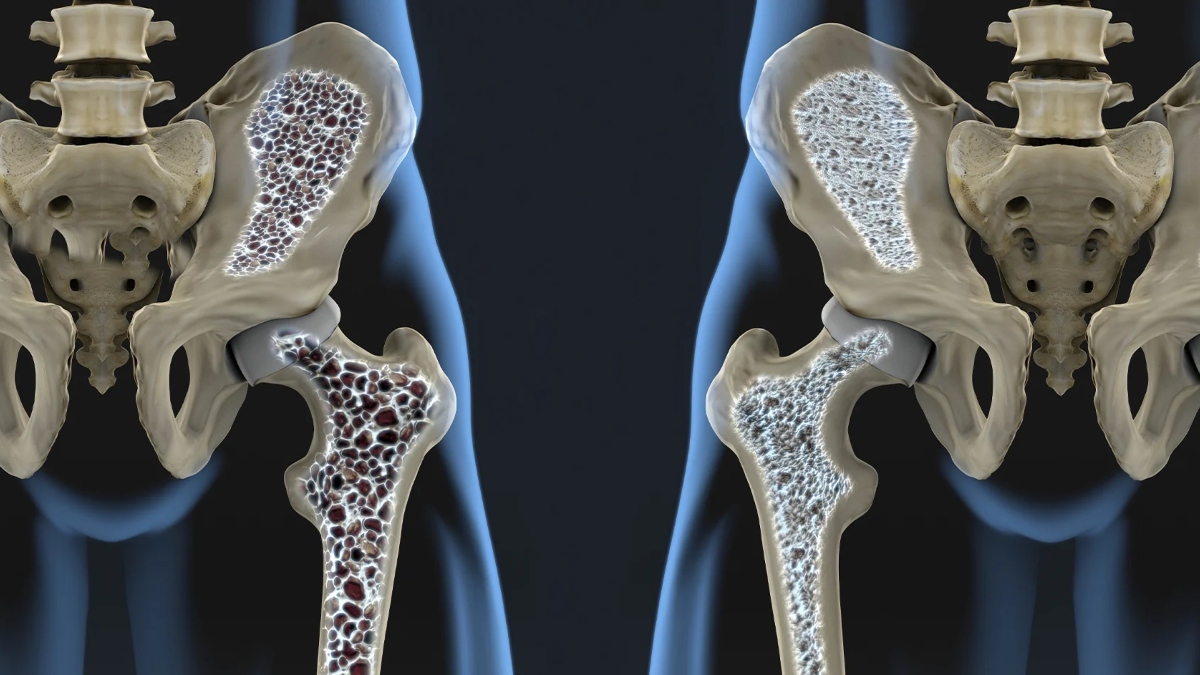
Bone health is often overlooked in our busy, health-conscious lives, yet it plays a critical role in maintaining overall well-being. Bones serve as the body’s structural framework, protecting vital organs, supporting movement, and storing essential nutrients. However, many of us don’t give much thought to our bone health until issues such as osteoporosis or fractures arise, often in later stages of life. The reality is, maintaining strong bones should be a lifelong endeavor—one that begins in childhood and continues well into adulthood.
With the rise in bone-related diseases such as osteoporosis, the need for understanding bone health has never been greater. Fortunately, experts in the fields of nutrition, medicine, and fitness have provided a comprehensive set of recommendations to help individuals of all ages foster better bone health. From lifestyle habits to dietary choices and exercise routines, these expert-backed strategies can lead to stronger bones and a reduced risk of bone-related conditions in the future.
The Importance of Bone Health
Bones are much more than just a physical framework; they are living, dynamic tissues that constantly undergo a process of renewal called remodeling. This process involves the breakdown of old bone tissue and the formation of new bone, and it is essential for maintaining bone density and strength. Bones also act as a storage house for vital minerals like calcium and phosphorus, which are released into the bloodstream when needed.
Bone health is particularly important for preventing common age-related conditions, such as osteoporosis, where bones become brittle and fragile due to loss of mineral density. Osteoporosis increases the risk of fractures, particularly in the hip, spine, and wrist. The National Osteoporosis Foundation estimates that one in two women and one in four men over the age of 50 will break a bone due to osteoporosis.
While osteoporosis is commonly associated with aging, bone health begins much earlier in life. The bones achieve their peak mass and density in the late 20s to early 30s, after which bone loss begins gradually. This makes it essential to build strong bones from an early age, and equally important to maintain them through adulthood.
1. Get Sufficient Calcium
Calcium is the most abundant mineral in the body and the primary building block of bone. It is essential for bone formation and maintenance, as well as for maintaining bone strength. Without enough calcium, bones become weak, and the risk of fractures increases.
Experts recommend that adults under 50 get about 1,000 milligrams (mg) of calcium per day, while adults over 50 should aim for 1,200 mg per day. Calcium can be found in a variety of foods, including dairy products like milk, cheese, and yogurt, as well as in leafy green vegetables, almonds, fortified plant-based milks, and fish with edible bones such as sardines and salmon. For those who cannot get enough calcium through diet alone, supplements may be recommended, but it is important to consult with a healthcare provider before adding supplements to your routine.
2. Ensure Adequate Vitamin D Intake
Vitamin D plays a pivotal role in bone health, as it helps the body absorb calcium. Without sufficient vitamin D, calcium cannot be properly utilized by the bones, leading to weakened bone structure. Vitamin D is also involved in bone remodeling and helps regulate the amount of calcium and phosphate in the blood, which is crucial for maintaining strong bones.
Sunlight is the most natural source of vitamin D, as the body synthesizes it when exposed to the sun. However, many people, especially those living in regions with limited sunlight or who spend most of their time indoors, may not get enough of it. In such cases, vitamin D can be obtained through dietary sources such as fortified foods (like milk and cereal), fatty fish (like salmon and mackerel), and egg yolks. The recommended daily intake of vitamin D is 600 IU (international units) for adults under 70 and 800 IU for adults over 70. Again, supplementation may be necessary for some individuals, but it’s important to consult with a healthcare professional for appropriate dosing.
3. Exercise Regularly—Focus on Weight-Bearing and Strengthening Exercises
Exercise is one of the most effective ways to support bone health, particularly weight-bearing and resistance training exercises. Weight-bearing exercises, such as walking, running, hiking, and dancing, require your bones to support your body’s weight, stimulating the production of bone-forming cells. These activities help to increase bone density and reduce the risk of osteoporosis.
Strength training, using resistance bands, weights, or bodyweight exercises like squats and lunges, is equally important for building and maintaining bone mass. These exercises target muscles and bones, stimulating bone formation and improving overall bone strength.
Experts recommend at least 30 minutes of weight-bearing and muscle-strengthening exercises on most days of the week for optimal bone health. Additionally, incorporating balance exercises such as yoga or tai chi can improve coordination and reduce the risk of falls, which is particularly important for older adults.
4. Maintain a Healthy Weight
Maintaining a healthy weight is another key factor in supporting bone health. Being either overweight or underweight can negatively impact bone density. For those who are overweight, the additional strain on bones and joints can lead to increased risk of injury and conditions such as osteoarthritis. On the other hand, being underweight or having low body fat can lead to a decrease in bone density and increase the risk of fractures.
A balanced diet combined with regular physical activity is the best approach to maintaining a healthy weight. By ensuring adequate intake of essential nutrients—especially calcium, vitamin D, and protein—alongside regular exercise, you can help support your bones and maintain a healthy weight for long-term bone health.
5. Avoid Smoking and Limit Alcohol Consumption
Both smoking and excessive alcohol consumption are detrimental to bone health. Smoking reduces blood flow to the bones, which impairs the delivery of vital nutrients and slows the process of bone remodeling. It also decreases the production of bone-forming cells (osteoblasts), making bones more fragile and prone to fractures.
Excessive alcohol consumption can interfere with the body’s ability to absorb calcium and interfere with bone formation. It also increases the risk of falls, which can lead to bone fractures, especially in older adults.
For optimal bone health, experts recommend quitting smoking and limiting alcohol intake to no more than one drink per day for women and two drinks per day for men. These changes, while simple, can have a significant positive impact on long-term bone health.
6. Monitor Hormonal Health
Hormones play a crucial role in maintaining bone density, particularly estrogen in women and testosterone in men. Estrogen, for example, helps protect bones by reducing the activity of bone-resorbing cells (osteoclasts). The drop in estrogen levels after menopause is a key factor contributing to the rapid bone loss experienced by many women during this stage of life.
In men, low testosterone levels can also contribute to decreased bone density. Hormonal imbalances can be addressed through medical intervention, including hormone replacement therapy (HRT) or other treatment options. If you suspect hormonal issues may be affecting your bone health, it’s important to consult with a healthcare provider for appropriate testing and treatment.
7. Get Regular Bone Density Screenings
For individuals at risk of osteoporosis, including postmenopausal women and older adults, bone density screenings (also known as dual-energy X-ray absorptiometry or DXA scans) are an essential part of preventative care. These screenings help to identify early signs of bone loss and allow healthcare providers to take proactive steps to prevent fractures and other complications.
Bone density screenings are typically recommended for women over 65 and men over 70, but those with additional risk factors—such as a family history of osteoporosis, previous fractures, or certain medical conditions—may need to begin screenings earlier.
Conclusion
Bone health is an integral component of overall well-being, influencing everything from mobility to quality of life. While it may not be something that’s on the forefront of many minds, the importance of maintaining strong, healthy bones cannot be overstated. By following expert recommendations—such as ensuring adequate calcium and vitamin D intake, engaging in weight-bearing and strengthening exercises, maintaining a healthy weight, avoiding smoking and excessive alcohol, and monitoring hormonal health—you can help safeguard your bones for the future.
Bone health is a lifelong journey, one that begins with small, consistent habits that build a strong foundation for years to come. By prioritizing your bone health now, you’ll be setting yourself up for a more active, independent, and fulfilling life as you age.