
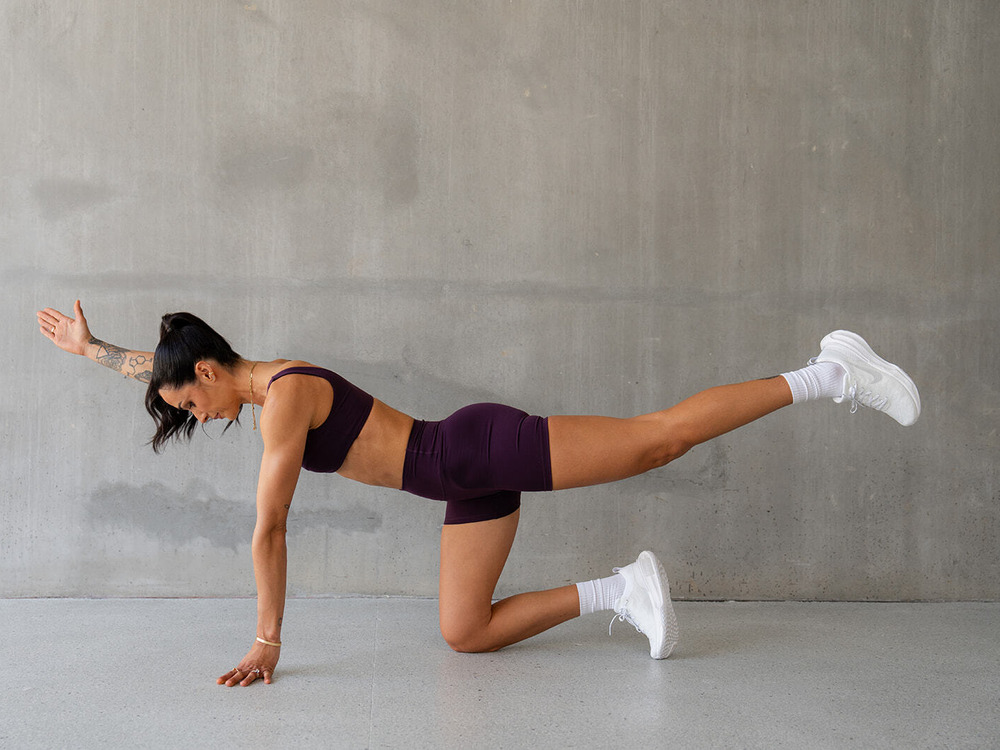
The postpartum period is one of the most transformative phases of a woman’s life, both emotionally and physically. After months of pregnancy, labor, and delivery, a new mother’s body is adjusting to a new normal. One of the most common concerns for women during this time is how to regain their physical strength, fitness, and overall well-being. Postpartum fitness, however, is not about rushing back to pre-pregnancy body standards or chasing unrealistic ideals. Instead, it’s about honoring the body’s journey and nurturing it back to health in a way that is sustainable, effective, and empowering.
Getting back into shape after childbirth requires a thoughtful approach. Rather than focusing solely on weight loss or aesthetics, it’s important to prioritize functional movement, mental wellness, and overall strength. Incorporating small, daily habits that support these goals can lead to lasting results—both physically and mentally. In this article, we will explore key daily habits for postpartum fitness that offer real, tangible results, allowing new mothers to embrace their bodies and regain vitality with patience and consistency.
1. Start Slowly and Respect Your Body’s Signals
One of the most important first steps in postpartum fitness is understanding that recovery is a gradual process. The body needs time to heal, especially after a vaginal or cesarean delivery. While the idea of returning to pre-pregnancy fitness levels might be tempting, pushing yourself too soon can lead to injury, setbacks, or emotional frustration.
It’s essential to listen to your body’s signals and gradually ease into physical activity. Begin with gentle activities such as walking, pelvic floor exercises, or postpartum yoga. These exercises help to restore strength and flexibility without overloading your muscles or joints. Walking, for instance, is an excellent low-impact cardiovascular exercise that helps to promote circulation, reduce swelling, and gradually build endurance.
Many women find that the first six to eight weeks after birth—known as the “fourth trimester”—are a period where they should focus on resting, bonding with their baby, and giving their body time to heal. Only after your doctor gives you clearance (usually at your six-week postpartum check-up) should you consider adding more intense physical activities to your routine.
2. Focus on Core and Pelvic Floor Rehabilitation
A significant area of focus for postpartum fitness should be the core and pelvic floor. These muscle groups were significantly impacted during pregnancy and childbirth and need attention to rebuild strength and function. Weakness in the pelvic floor can lead to issues such as urinary incontinence, prolapse, or discomfort during sexual activity. Meanwhile, a weakened core can contribute to poor posture, back pain, and difficulty with daily activities.
Start incorporating exercises that specifically target the pelvic floor and core, such as Kegel exercises, deep belly breathing, and pelvic tilts. Kegels involve contracting and relaxing the pelvic floor muscles, which helps improve bladder control and supports recovery. Diaphragmatic breathing is another essential practice that helps activate the deep abdominal muscles, including the transverse abdominis, which plays a key role in restoring core strength.
Once you have established a foundation of core and pelvic floor exercises, you can move on to more dynamic movements, such as bridges, squats, and modified planks. These exercises not only strengthen your core but also help with posture and alignment, which can be compromised by the physical strain of pregnancy and breastfeeding.
3. Incorporate Full-Body Movement
While strengthening the core and pelvic floor is crucial, it’s also important to incorporate full-body exercises into your daily routine. A balanced workout that targets multiple muscle groups will help you regain overall strength, flexibility, and endurance. Compound movements—exercises that engage more than one muscle group—are particularly effective for postpartum fitness.
Examples include bodyweight exercises like squats, lunges, and push-ups. These exercises can be performed at home without the need for equipment, making them ideal for busy new moms. Bodyweight squats, for instance, strengthen the legs, glutes, and core, all of which support daily activities such as carrying your baby or lifting groceries. Lunges are great for improving balance and stability, which can be compromised during the postpartum period.
If you’re ready for more intensity, resistance bands or light weights can be added to your workouts. These tools help build muscle strength while keeping the impact on your joints relatively low. The goal should be to perform exercises that help restore functional movement, so you can perform daily tasks with ease.
4. Stay Hydrated and Prioritize Nutrition
Good nutrition plays a vital role in postpartum recovery and fitness. After giving birth, your body is rebuilding and healing, and it requires proper fuel to function optimally. While your calorie needs may increase if you’re breastfeeding, it’s essential to focus on nutrient-dense foods that provide the vitamins and minerals necessary for recovery and energy.
Aim to incorporate a variety of fruits, vegetables, lean proteins, whole grains, and healthy fats into your diet. Healthy fats such as those found in avocados, nuts, seeds, and olive oil are essential for hormone regulation and overall recovery. Protein is especially important for muscle repair, particularly if you’re incorporating strength training into your fitness routine. Foods like eggs, chicken, fish, legumes, and tofu can provide high-quality protein to support your recovery.
Hydration is equally important, especially if you’re breastfeeding. Water helps with digestion, circulation, and maintaining energy levels. Many new mothers find it helpful to keep a water bottle nearby to ensure they are drinking enough throughout the day. Dehydration can cause fatigue, headaches, and poor mood, all of which hinder your progress in fitness.
5. Prioritize Rest and Recovery
Postpartum fitness is not just about exercise; rest and recovery are just as essential. The demands of a newborn—frequent feedings, sleep disruptions, and constant attention—can leave new mothers feeling exhausted. However, adequate rest is necessary for muscle repair, hormonal balance, and overall health.
While it may be difficult to find time for rest when you’re juggling the demands of motherhood, try to prioritize sleep whenever possible. Take naps when your baby sleeps or consider asking a partner or family member to help so you can rest and recharge. The body’s recovery process is accelerated during sleep, so giving yourself permission to rest is one of the best habits you can adopt for long-term fitness.
Additionally, incorporating relaxation practices such as deep breathing, meditation, or gentle yoga can help reduce stress and promote recovery. Stress can hinder your ability to lose weight or build muscle, so taking time to care for your mental and emotional well-being is just as important as the physical aspects of fitness.
6. Consistency Over Perfection
One of the most important aspects of postpartum fitness is consistency. It’s easy to become frustrated if you don’t see immediate results, but remember that the postpartum journey is different for everyone. Your body has gone through a significant transformation, and regaining strength and fitness takes time. Focus on making small, sustainable changes that you can maintain for the long haul.
Don’t aim for perfection; instead, aim for consistency. It’s more beneficial to engage in a 20-minute workout most days of the week than to try to push yourself through a strenuous hour-long session just once a week. Celebrate small victories—whether it’s achieving a personal best with squats or simply having more energy to keep up with your baby.
Conclusion
Postpartum fitness is a holistic journey that involves patience, self-compassion, and consistency. By integrating gentle exercise, focusing on core and pelvic floor rehabilitation, prioritizing nutrition and hydration, and ensuring adequate rest, you can achieve real results without compromising your mental and physical well-being. The key is to honor your body’s pace and celebrate every step of the process. Fitness after pregnancy isn’t about quick fixes or unrealistic body standards; it’s about regaining strength, confidence, and vitality—both for yourself and for the precious life you’re nurturing.