Nutrition advice aimed at women is often loud, contradictory, and driven by trends rather than science. Over time, these messages shape beliefs that quietly undermine energy levels, hormonal balance, mental clarity, and long-term wellness. To achieve true health, women must unlearn myths that promote restriction and fear instead of nourishment and strength.
Myth 1: Eating Less Is the Healthiest Choice
Many women are taught that smaller portions automatically mean better health. While mindful eating matters, chronic under-eating places the body under constant stress.
What really happens when women eat too little:
- Metabolism adapts by slowing down
- Hormones involved in appetite and fertility become disrupted
- Fatigue, irritability, and nutrient deficiencies increase
True health requires adequate fuel, not constant deprivation.
Myth 2: Carbohydrates Cause Weight Gain
Carbohydrates are often blamed for stubborn weight and low energy, leading many women to avoid them entirely.
The truth about carbs:
Whole-food carbohydrates support:
- Brain function and focus
- Thyroid health
- Exercise performance and recovery
Removing them often results in low energy, mood swings, and cravings rather than sustainable results.
Myth 3: Fat Is Bad for Women’s Health
Low-fat diets once dominated nutrition advice, leaving many women afraid of dietary fat.
In reality, healthy fats are essential for:
- Hormone production
- Nutrient absorption
- Skin, hair, and joint health
Fats from nuts, seeds, olive oil, and fatty fish support balance—not weight gain.
Myth 4: Protein Is Only Important for Athletes
Protein is often overlooked by women who are not actively trying to build muscle.
Adequate protein helps women by:
- Preserving lean muscle
- Supporting blood sugar stability
- Increasing satiety and reducing overeating
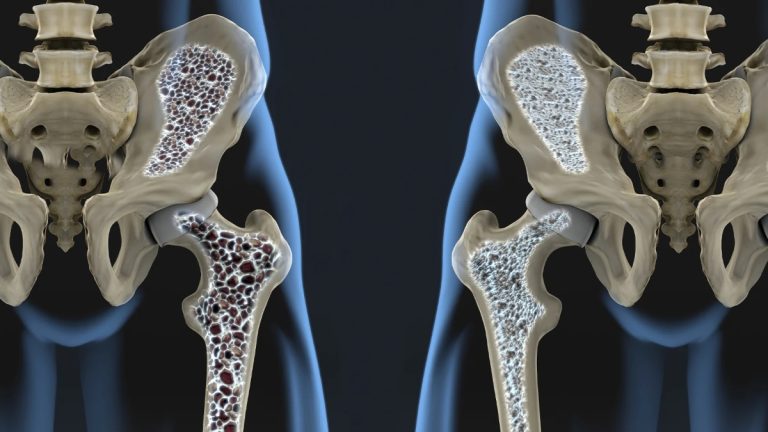
As women age, protein intake becomes even more critical for strength and bone health.
Myth 5: Detox Diets Cleanse the Body
Juice cleanses and detox teas promise quick resets, but they misunderstand how the body works.
Your body already detoxes naturally through the liver, kidneys, and digestive system. Extreme cleanses often:
- Strip the body of nutrients
- Lead to muscle loss
- Trigger rebound overeating
Consistent, balanced eating supports natural detoxification far better than short-term cleanses.
Myth 6: Supplements Can Replace Real Food
Supplements are marketed as nutrition shortcuts, but they cannot replicate the complexity of whole foods.
Whole foods provide:
- Fiber for gut health
- Synergistic nutrients
- Better absorption and long-term benefits
Supplements should support a diet—not replace it.
Myth 7: Women’s Nutrition Should Always Focus on Weight Loss
Health is often measured solely by the scale, ignoring other critical markers.
True health includes:
- Stable energy throughout the day
- Healthy digestion
- Hormonal balance
- Strength and resilience
When nutrition focuses only on weight loss, overall well-being often suffers.
What True Health Really Looks Like for Women
Letting go of nutrition myths creates space for a healthier relationship with food. True health is built on:
- Consistent nourishment
- Balanced macronutrients
- Flexibility rather than rigid rules
- Long-term habits instead of quick fixes
Food should support life—not control it.
FAQs
1. Can women eat more and still improve their health?
Yes. Eating enough nutrient-dense food supports metabolism, hormones, and energy, often improving health outcomes over time.
2. Are carbs necessary if I’m not exercising much?
Yes. Carbohydrates fuel the brain and support hormonal function regardless of activity level.
3. Do women need different nutrition than men?
Women often have different hormonal needs and nutrient requirements, making individualized nutrition important.
4. Is it unhealthy to diet long-term?
Long-term dieting can disrupt metabolism and hormones, making sustainable eating habits a healthier approach.
5. How much protein should women aim for daily?
Needs vary, but most women benefit from evenly distributing protein across meals for better energy and muscle support.
6. Are fats safe for heart health?
Healthy fats consumed in moderation support heart health and reduce inflammation when part of a balanced diet.
7. What’s the first step to overcoming nutrition myths?
Question restrictive rules and focus on nourishing meals that support energy, strength, and overall well-being.
About the Author