Caring for mature skin is not about reversing time or chasing unrealistic outcomes. Instead, it’s about supporting skin health, comfort, and resilience as natural changes occur. A thoughtful skincare routine can enhance how skin looks and feels, without relying on exaggerated claims or quick fixes.
This article focuses on evidence-informed skincare choices, realistic expectations, and gentle habits that respect mature skin’s evolving needs.
Understanding What Changes in Mature Skin
As skin ages, its structure and behavior gradually shift. These changes are normal and vary from person to person.
Common age-related skin changes include:
- Reduced collagen and elastin, leading to softness and laxity
- Slower cell turnover, which can dull skin tone
- Lower natural oil production, often causing dryness
- Weakened barrier function, increasing sensitivity
- Uneven pigmentation, such as age spots or sun-related discoloration
Recognizing these changes helps frame skincare as maintenance and support, not correction.
Setting Realistic Skincare Expectations
Skincare products work at the surface and within the upper layers of skin. While they can improve hydration, texture, and appearance, they cannot replicate medical or surgical results.
Healthy expectations include:
- Improving skin comfort and softness
- Enhancing overall radiance
- Supporting barrier strength
- Minimizing the appearance of fine lines (not eliminating them)
Avoid routines or products that promise dramatic lifting, wrinkle erasure, or permanent transformation.
Core Skincare Principles for Mature Skin
Gentle Cleansing Comes First
Mature skin benefits from cleansers that remove impurities without stripping natural oils.
Look for cleansers that are:
- Cream-based or lotion-textured
- Fragrance-free or lightly scented
- Formulated with hydrating agents like glycerin
Avoid harsh foaming cleansers that leave skin tight or dry.
Hydration Is Non-Negotiable
As oil production declines, hydration becomes the foundation of any routine.
Effective hydration strategies include:
- Using humectants such as hyaluronic acid
- Sealing moisture with emollient-rich creams
- Applying products to slightly damp skin
Layering lightweight hydration under richer moisturizers often works better than relying on one heavy product.
Supporting the Skin Barrier
A healthy barrier helps skin retain moisture and defend against irritation.
Barrier-supporting ingredients to prioritize:
- Ceramides
- Cholesterol
- Fatty acids
Consistent use helps improve tolerance and comfort over time.
Thoughtful Use of Active Ingredients
Active ingredients can be beneficial, but moderation matters more with mature skin.
Retinoids (Used Carefully)
Retinoids can support smoother texture and more even tone, but they must be introduced slowly.
Best practices include:
- Starting with low-strength formulas
- Applying 1–2 times per week initially
- Pairing with a nourishing moisturizer
Mild irritation is common early on, but persistent discomfort is a sign to pause or reduce use.
Antioxidants for Daily Protection
Antioxidants help protect skin from environmental stressors.
Commonly used options include:
- Vitamin C derivatives
- Vitamin E
- Niacinamide
These ingredients support brightness and resilience without aggressive exfoliation.
Exfoliation Without Aggression
Over-exfoliation is a frequent issue with mature skin.
Gentler options include:
- Mild chemical exfoliants used sparingly
- Occasional exfoliation rather than daily use
The goal is smoothness and clarity, not redness or peeling.
Sun Protection Is the Most Effective Step
Daily sun protection remains the single most impactful skincare habit at any age.
Effective sun care includes:
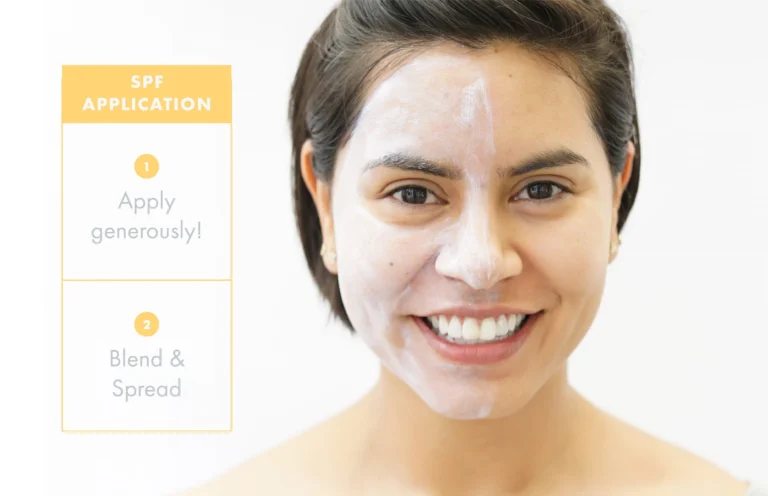
- Broad-spectrum SPF 30 or higher
- Reapplication when outdoors
- Using sunscreen even on cloudy days
Sun protection helps prevent further pigmentation changes and supports long-term skin health.
Lifestyle Factors That Support Skin Health
Skincare products work best when paired with supportive habits.
Key lifestyle considerations:
- Consistent sleep routines
- Balanced nutrition with adequate hydration
- Stress management
- Avoiding smoking and excessive alcohol
These factors influence skin just as much as topical products.
When to Consider Professional Advice
If concerns such as persistent irritation, unusual pigmentation, or sudden changes arise, consulting a dermatologist is a practical step. Professional guidance helps ensure skincare aligns with individual skin conditions rather than generalized advice.
Frequently Asked Questions
How long does it take to see results from a mature skincare routine?
Most improvements in hydration and comfort appear within weeks, while texture and tone changes may take several months of consistent use.
Is it too late to start a skincare routine after 50 or 60?
No. Skin benefits from supportive care at any age, and starting later can still improve comfort, appearance, and barrier health.
Should mature skin avoid exfoliation entirely?
Not necessarily. Gentle, infrequent exfoliation can be beneficial, but aggressive or daily exfoliation is usually unnecessary.
Are expensive skincare products better for mature skin?
Price does not guarantee effectiveness. Ingredient formulation and consistency matter more than brand cost.
Can skincare replace cosmetic procedures?
Skincare supports surface-level improvements but cannot replicate the effects of medical or cosmetic treatments.
Is fragrance harmful for mature skin?
Fragrance can increase irritation risk, especially for sensitive or barrier-compromised skin, making fragrance-free options safer.
How many products does a mature skincare routine really need?
A simple routine with a cleanser, moisturizer, sunscreen, and one or two targeted treatments is often sufficient.
About the Author