Summer can be brutal on your skin. Higher temperatures, intense UV exposure, sweat, and pollution quietly accelerate skin aging and damage. While many people focus on short-term glow or oil control, small daily mistakes during summer often create long-lasting skin problems that show up years later as wrinkles, pigmentation, or sensitivity.
Understanding what not to do is just as important as having the right products.
Skipping Sunscreen on Cloudy or Indoor Days
One of the most damaging misconceptions is believing sunscreen is optional when the sun isn’t visible.
Why this is harmful
- UV rays penetrate clouds and glass
- UVA rays accelerate premature aging year-round
- Cumulative exposure leads to collagen breakdown
Common mistakes
- Applying sunscreen only at the beach
- Skipping it while working near windows
- Using too little product
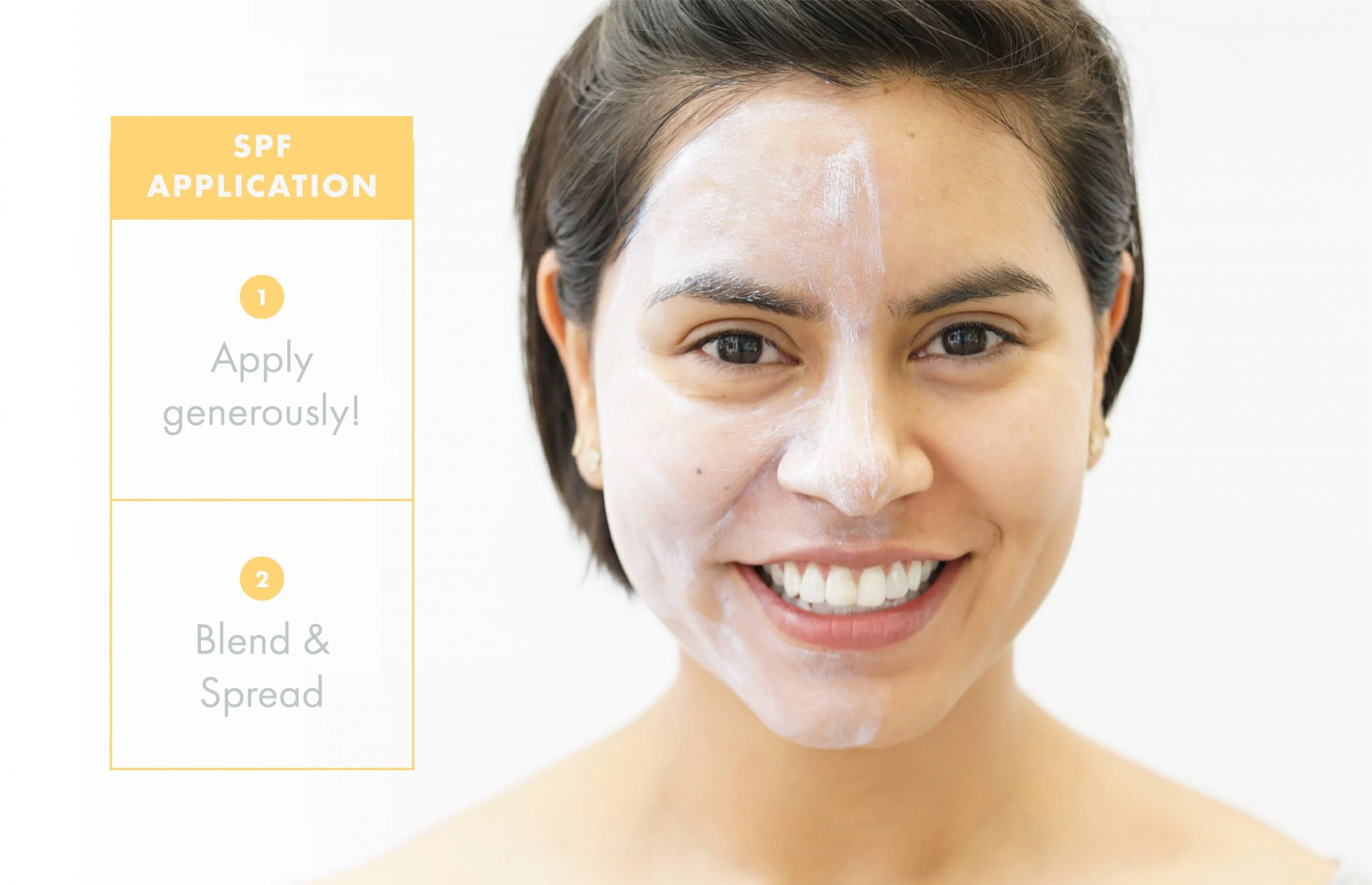
A generous, even application every morning is non-negotiable for long-term skin health.
Not Reapplying Sunscreen Often Enough
Applying sunscreen once in the morning is not sufficient during summer.
What reduces sunscreen effectiveness
- Sweating
- Swimming
- Touching or wiping the face
- Natural oil production
To maintain protection:
- Reapply every 2–3 hours
- Reapply immediately after swimming or heavy sweating
- Use powder or spray sunscreen for touch-ups if needed
Over-Exfoliating to Control Oil and Breakouts
Excess oil and sweat tempt many people to exfoliate more frequently, but this backfires.
Long-term consequences
- Compromised skin barrier
- Increased sensitivity to sun damage
- Higher risk of pigmentation and redness
Instead of aggressive exfoliation:
- Limit chemical exfoliants to 1–2 times per week
- Avoid physical scrubs with rough particles
- Focus on gentle cleansing and hydration
Ignoring Hydration Because of Oily Skin
Many people with oily or acne-prone skin skip moisturizers in summer, assuming they worsen shine.
Why hydration still matters
- Dehydrated skin produces more oil
- Weak skin barrier increases sun damage
- Fine lines appear sooner on dehydrated skin
Look for:
- Lightweight gel or water-based moisturizers
- Ingredients like hyaluronic acid and glycerin
- Oil-free, non-comedogenic formulas
Using the Same Skincare Routine All Year
Skin needs change with seasons, yet many people stick to winter routines during summer.
Problems caused by seasonal mismatch
- Heavy creams clog pores
- Rich serums increase breakouts
- Inadequate antioxidant protection
Smart summer adjustments include:
- Switching to lighter textures
- Adding antioxidants like vitamin C
- Reducing layering of heavy products
Forgetting Sun Protection for Lips, Eyes, and Neck
Facial sunscreen alone isn’t enough.
Frequently neglected areas
- Lips
- Under-eyes
- Ears
- Neck and upper chest
- Hands
These areas show aging first due to thinner skin. Use SPF lip balms, eye-area sunscreens, and extend face sunscreen down the neck and chest.
Relying on Makeup for Sun Protection
Many foundations and BB creams claim SPF, but they rarely provide adequate protection.
Why makeup SPF isn’t enough
- Insufficient quantity applied
- Uneven coverage
- No reapplication
Makeup should be layered over sunscreen, not used as a replacement.
Sleeping in Sweat and Sunscreen
After a long summer day, skipping nighttime cleansing can seriously harm your skin.
What happens overnight
- Pores clog with sweat and sunscreen residue
- Bacteria multiply
- Breakouts and inflammation increase
A gentle but thorough cleanse before bed helps prevent:
- Chronic acne
- Enlarged pores
- Dull, uneven skin tone
Long-Term Damage These Mistakes Can Cause
Unchecked summer skincare habits can lead to:
- Premature wrinkles and fine lines
- Sunspots and hyperpigmentation
- Persistent redness and sensitivity
- Loss of skin elasticity
- Higher risk of skin cancer
Prevention today is far easier than correction later.
FAQs
How much sunscreen should I apply to my face in summer?
Use approximately two finger-length strips of sunscreen to cover the face and neck adequately.
Is higher SPF always better during summer?
SPF 30–50 is sufficient if applied correctly and reapplied regularly. Higher SPF does not mean longer protection without reapplication.
Can I skip moisturizer if my sunscreen is hydrating?
Not always. Sunscreen and moisturizer serve different purposes, and many sunscreens don’t provide enough hydration on their own.
Does sweating remove sunscreen completely?
Yes, sweat can significantly reduce sunscreen effectiveness, making reapplication essential during hot weather.
Are natural oils enough to protect skin in summer?
No. Natural oils offer minimal UV protection and cannot replace sunscreen.
Can summer sun damage appear years later?
Absolutely. Sun damage accumulates silently and often shows up later as wrinkles, spots, or sagging skin.
Is after-sun skincare really necessary?
Yes. Calming, hydrating products help repair the skin barrier and reduce long-term damage after sun exposure.
About the Author