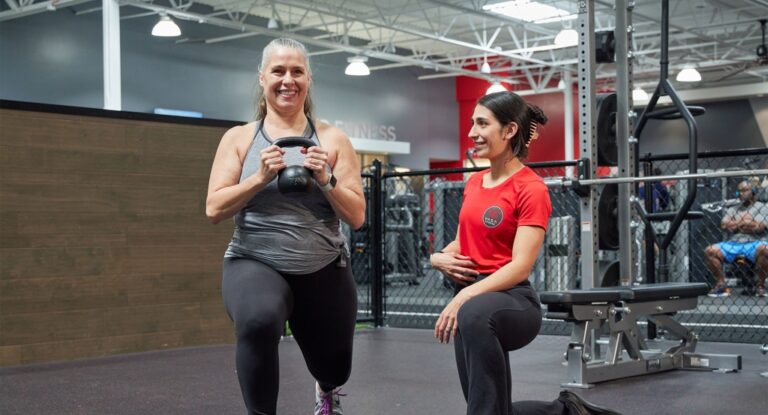
One of the most attractive aspects of fitness hiit training is its flexibility. Whether you are a complete beginner stepping into structured workouts for the first time, or an advanced athlete chasing peak performance, HIIT can be tailored to suit your level. The key lies in progression. By understanding how to start at the right intensity and gradually move up, you can enjoy consistent results, reduced injury risk, and a clear path towards long-term fitness.
In Singapore, where efficiency matters and schedules are demanding, HIIT has gained popularity for being scalable. With the right guidance and proper pacing, participants can start slow and eventually reach elite levels of endurance and strength. Structured classes in established gyms like True Fitness Singapore are designed with these progressions in mind, helping members transition through stages safely while keeping workouts exciting.
Why Progression Matters in HIIT
Progression is not just about doing more exercises or adding weight. It ensures that the body adapts gradually, reducing injury risk and maximising improvements in cardiovascular health, muscle strength, and metabolism. Without progression, two risks emerge:
-
Plateau: Doing the same workout repeatedly eventually leads to stalled results.
-
Burnout or injury: Pushing too hard too soon places excessive stress on the body.
By following a structured path, you challenge the body in stages, making gains sustainable and measurable.
Beginner Level: Building a Strong Foundation
Beginners need to focus on form, consistency, and controlled intensity. The goal is to build cardiovascular endurance and learn safe techniques.
Characteristics of Beginner HIIT
-
Work-to-rest ratio of 1:2 (e.g., 20 seconds of exercise, 40 seconds rest).
-
Low-impact moves such as marching, step jacks, bodyweight squats, and modified push-ups.
-
Short sessions lasting 15–20 minutes.
-
Emphasis on warm-up and cool-down to protect joints.
Goals for Beginners
-
Learn proper breathing techniques.
-
Achieve a steady improvement in stamina.
-
Build confidence in handling higher intensities over time.
Intermediate Level: Increasing Intensity and Complexity
Once a foundation is built, the next step is to increase work duration and introduce more challenging movements.
Characteristics of Intermediate HIIT
-
Work-to-rest ratio of 1:1 (e.g., 30 seconds work, 30 seconds rest).
-
Moderate to high-impact moves such as burpees, jump squats, mountain climbers, and kettlebell swings.
-
Sessions lasting 20–30 minutes.
-
Circuit-based structures that combine cardio and strength.
Goals for Intermediate Participants
-
Enhance cardiovascular efficiency.
-
Build muscular endurance.
-
Increase confidence in handling complex multi-joint exercises.
Advanced Level: Pushing Limits Safely
At this stage, participants have strong cardiovascular fitness and muscular endurance. Advanced HIIT sessions push the body close to maximum output, targeting speed, power, and agility.
Characteristics of Advanced HIIT
-
Work-to-rest ratio of 2:1 or Tabata format (20 seconds work, 10 seconds rest).
-
High-impact movements such as sprints, box jumps, plyometric push-ups, and barbell complexes.
-
Sessions lasting 25–40 minutes with very short breaks.
-
Emphasis on explosive power and minimal recovery.
Goals for Advanced Participants
-
Improve VO2 max for peak oxygen capacity.
-
Develop athletic speed and agility.
-
Build resilience to intense physical and mental stress.
How to Know When to Progress
Progression should not be rushed. Indicators that you are ready to move up include:
-
Completing sessions with good form and without excessive fatigue.
-
Consistently recovering within 24–48 hours.
-
Feeling that current workouts no longer challenge you.
-
Heart rate returning to baseline more quickly after intervals.
If any of these apply, it is time to increase intensity, adjust rest ratios, or try more complex moves.
Practical Progression Plan
A simple 12-week framework can guide safe advancement:
-
Weeks 1–4: Beginner routines focusing on low-impact bodyweight moves.
-
Weeks 5–8: Intermediate sessions with added plyometrics and resistance.
-
Weeks 9–12: Advanced formats such as Tabata, sprint intervals, or hybrid circuits.
This structure allows steady adaptation without overwhelming the body.
Recovery and Progression
Progression is only effective if recovery is respected. As intensity rises, so does the need for rest. Beginners may start with 2 HIIT sessions weekly, while advanced participants can handle 3–4 with active recovery days in between. Without proper recovery, gains stall and injury risk increases.
Mistakes to Avoid in Progression
-
Skipping levels: Jumping straight into advanced HIIT without a base leads to injury.
-
Neglecting form: Poor technique increases strain on joints.
-
Overtraining: More is not always better. Recovery must match intensity.
-
Ignoring nutrition: Higher levels require proper fuelling with balanced meals.
Real-Life Example: A Progressive Journey in Singapore
Consider a 30-year-old office professional starting HIIT for weight loss. In the first month, she focuses on step jacks and modified push-ups. By the second month, she introduces jump squats and kettlebells. By the third month, she attempts Tabata sprints. The progression not only improves stamina but also builds confidence to take on demanding fitness challenges.
This staged approach shows how anyone, regardless of starting point, can achieve advanced fitness with consistency and patience.
FAQs About Progression in HIIT
Q. How do I know if I am pushing too hard when progressing in HIIT?
A. If you experience prolonged soreness, constant fatigue, or poor sleep, you may be overtraining. Step back to lower intensity until recovery improves.
Q. Can beginners safely join a HIIT class in Singapore gyms?
A. Yes, most gyms offer scalable HIIT formats where trainers provide modifications to suit all levels. Beginners can start with lower-impact variations.
Q. How long should I stay at each level before moving up?
A. On average, 4–6 weeks per level is sufficient, but this varies by individual. Always prioritise form and recovery before increasing intensity.
Q. Do I need equipment to progress in HIIT?
A. No. Bodyweight alone can provide progressive overload. However, equipment like resistance bands, kettlebells, and dumbbells add variety and challenge.
Q. Is advanced HIIT only for athletes?
A. Not at all. Anyone who has built a strong foundation can attempt advanced HIIT. The key is gradual progression under proper guidance.
About the Author