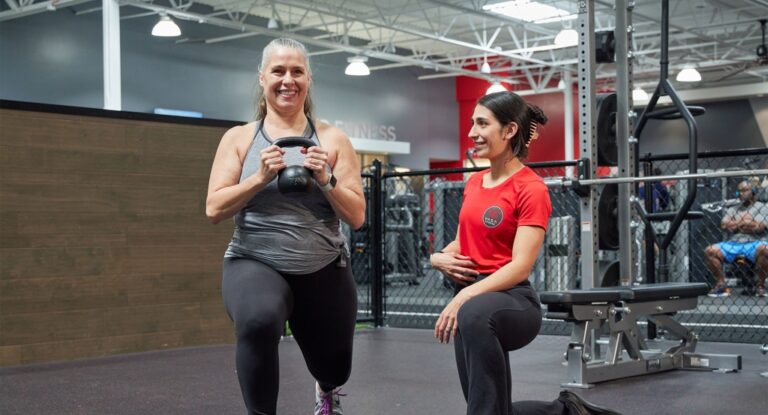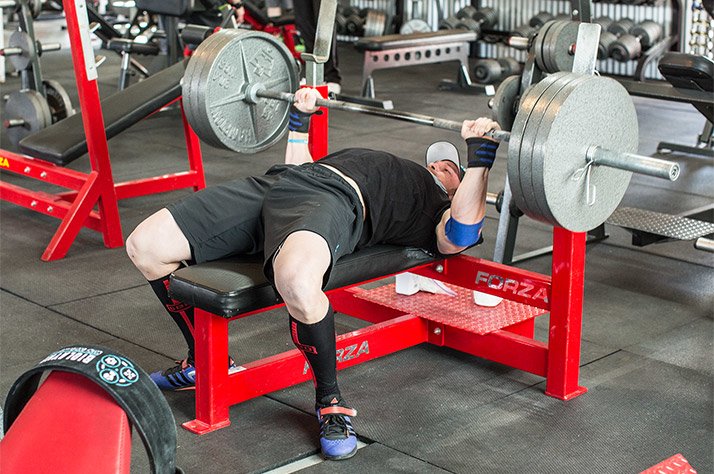
Lifting lighter weights is often recommended for safety, especially for beginners. While load selection matters, proper form is the real safeguard against injuries, plateaus, and chronic pain. Correct technique protects your joints, muscles, and nervous system in ways that lighter weights alone never can.
Why Proper Form Matters More Than Weight Selection
Using lighter weights with poor technique still places stress on the wrong tissues. Improper movement patterns shift load away from the target muscles and onto joints, ligaments, and the spine, increasing injury risk regardless of how light the weight feels.
Proper form ensures:
- Forces are distributed correctly across muscles
- Joints move within safe ranges
- Stabilizing muscles activate when needed
- Repetitive stress injuries are minimized
Lighter Weights Don’t Automatically Mean Safer
A common misconception is that reducing weight automatically reduces risk. In reality, poor mechanics can be just as damaging with light loads, especially when repetitions are high.
Examples include:
- Rounded backs during light deadlifts stressing spinal discs
- Knee collapse in bodyweight squats straining ligaments
- Shoulder shrugging during light presses irritating rotator cuffs
Form errors compound over time, making small mistakes dangerous when repeated frequently.
Proper Form Builds Natural Injury Resistance
Correct technique trains your body to move efficiently under load. Over time, this creates structural resilience.
Key protective benefits include:
- Stronger connective tissue adaptation
- Improved joint stability
- Better neuromuscular coordination
- Balanced muscle development
These adaptations reduce injury risk not only in the gym, but also in daily activities and sports.
Form Improves Muscle Engagement and Control
When technique is correct, the intended muscles do the work. This reduces compensation patterns where stronger muscles take over and weaker areas fall behind.
Benefits of better muscle engagement:
- Reduced strain on tendons and joints
- More predictable movement paths
- Better posture and body awareness
This is especially important for compound lifts where multiple joints and muscles are involved.
Poor Form Increases Injury Risk Even at Low Intensity
Injuries often come from movement faults, not heavy weights. Repeated poor alignment can irritate tissues long before pain appears.
Common long-term issues include:
- Tendinitis
- Lower back pain
- Shoulder impingement
- Hip and knee discomfort
These problems often develop silently, making form correction critical early on.
Proper Technique Allows Safe Progression Over Time
Strength gains require progressive overload. Without good form, increasing weight becomes unsafe quickly.
Proper form allows you to:
- Add load confidently
- Maintain consistent movement patterns
- Detect breakdowns before injury occurs
- Train closer to muscular failure safely
This makes long-term progress sustainable rather than risky.
Lighter Weights Are Tools, Not Protection
Light weights are valuable for learning movement patterns, warming up, and refining control. However, they are not protective by default.
True safety comes from:
- Mastering technique
- Maintaining controlled tempo
- Using appropriate range of motion
- Staying mentally engaged during each rep
When these factors are present, even heavier weights can be handled safely.
How to Prioritize Proper Form in Your Training
To reinforce safe technique:
- Slow down repetitions to maintain control
- Use mirrors or video recordings for feedback
- Reduce weight when form degrades
- Focus on breathing and bracing
- Seek qualified coaching when needed
Consistency with these habits protects you far more than simply lifting lighter.
Frequently Asked Questions (FAQs)
Is proper form still important if I only lift light weights?
Yes. Poor mechanics can cause joint and tendon stress regardless of load, especially with high repetition training.
Can good form completely prevent injuries?
While no method guarantees zero injuries, proper form dramatically lowers risk and improves recovery capacity.
How do I know if my form is correct?
Video analysis, professional coaching, and pain-free, controlled movement are strong indicators of good form.
Should beginners focus on form before adding weight?
Absolutely. Establishing correct movement patterns early prevents bad habits and future injuries.
Does fatigue affect form even with lighter weights?
Yes. As fatigue increases, form can deteriorate, which is why rest and focus matter.
Is slow lifting better for maintaining form?
Slower tempos often improve control and awareness, making it easier to maintain proper alignment.
Can mobility issues affect lifting form?
Limited mobility can compromise technique. Addressing flexibility and joint range of motion supports safer lifting.
About the Author