
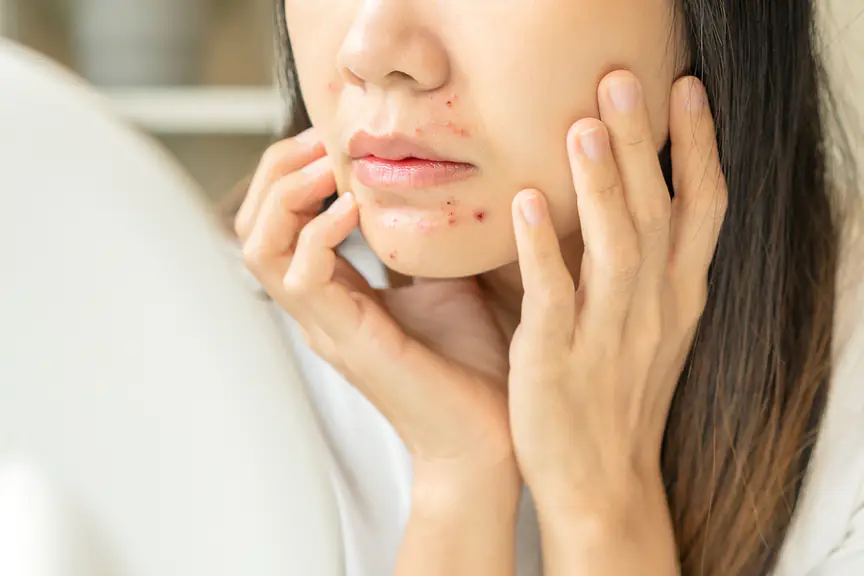
Acne, a condition that affects millions of people worldwide, is often viewed as a teenage concern, but it can persist well into adulthood for many individuals. Whether you’re dealing with occasional breakouts or persistent acne, the desire for clearer skin is universal. While there is no one-size-fits-all solution to acne prevention, there are several common mistakes and misconceptions that can exacerbate the condition. By understanding what to avoid in your skincare routine and lifestyle, you can dramatically improve your chances of achieving clearer skin. In this article, we will explore the most common pitfalls in acne prevention and how steering clear of them can lead to real, visible results.
1. Over-Cleansing Your Skin
It may seem logical that washing your face multiple times a day would help keep acne at bay, especially if you have oily skin. However, over-cleansing can do more harm than good. Stripping your skin of its natural oils can cause irritation, dryness, and an overproduction of sebum, which, paradoxically, can lead to more breakouts. When your skin feels stripped, it may try to compensate by producing excess oil, which can clog pores and result in more acne.
The science behind it: A 2017 study published in The Journal of Clinical and Aesthetic Dermatology found that harsh cleansers and over-washing disrupt the skin’s natural barrier, leading to inflammation and breakouts. This is particularly problematic for those with sensitive or acne-prone skin.
What to do instead: Stick to a gentle, non-foaming, pH-balanced cleanser that is formulated for sensitive or acne-prone skin. Wash your face no more than twice a day—once in the morning and once before bed. Avoid using scrubs or abrasive exfoliating products daily.
2. Using Comedogenic Products
Many skincare products, including moisturizers, sunscreens, and makeup, contain ingredients that can clog pores, especially when they are labeled as “comedogenic.” Comedogenic products contain ingredients that may cause blockages in the pores, leading to the formation of blackheads, whiteheads, and cystic acne. While some products are designed for dry or mature skin, they might not be suitable for those prone to acne.
The science behind it: A study published in Dermatology in 2012 explored the relationship between comedogenic ingredients and acne formation. It concluded that certain oils, such as coconut oil, and heavy emulsifiers can contribute to clogged pores, while ingredients like dimethicone and cyclopentasiloxane in some makeup can exacerbate acne.
What to do instead: Look for skincare and makeup products labeled “non-comedogenic.” These formulations are designed specifically to avoid clogging pores. Additionally, choose lightweight, oil-free moisturizers and sunscreens to prevent unwanted breakouts.
3. Touching Your Face Too Often
The habit of touching your face is not only a nervous tic for some people but also a major contributor to acne flare-ups. Your hands come into contact with bacteria, dirt, and oil throughout the day, and when you touch your face, you transfer these contaminants to your skin. This can lead to clogged pores, irritation, and the development of acne.
The science behind it: A 2017 study published in The Journal of Clinical and Aesthetic Dermatology noted that frequent touching of the face contributes to the spread of bacteria and debris, especially in areas like the chin and jawline, which are common places for acne. It found that touching the face increases the risk of breakouts, especially when combined with the use of uncleaned phones or pillowcases.
What to do instead: Make a conscious effort to avoid touching your face throughout the day. Keep your hands clean by washing them frequently. Additionally, try using a clean, soft cloth to wipe your face instead of using your hands. It may also help to use a stylus for your phone to avoid transferring oils and bacteria from your fingers to your face.
4. Skipping Sunscreen
While sunscreen is essential for protecting your skin from harmful UV rays, many people with acne-prone skin avoid it because they fear it will clog their pores or worsen their breakouts. This is a common misconception. In reality, neglecting sunscreen can lead to long-term skin damage, hyperpigmentation, and even increased acne scarring.
The science behind it: Research published in The Journal of Dermatology in 2016 shows that UV exposure can cause inflammation and oxidative stress in the skin, both of which exacerbate acne and promote the formation of acne scars. Sunscreen is crucial for reducing these harmful effects, especially for those using acne treatments that increase sun sensitivity, such as retinoids.
What to do instead: Choose a sunscreen that is formulated for acne-prone skin. Look for oil-free, non-comedogenic, and broad-spectrum sunscreens with an SPF of 30 or higher. Mineral-based sunscreens containing zinc oxide or titanium dioxide are generally considered safe for acne-prone skin because they sit on top of the skin and do not clog pores.
5. Not Following a Consistent Skincare Routine
One of the most common reasons people fail to see improvements in their acne is the inconsistency of their skincare routine. Acne is a persistent condition, and it takes time for treatments to work. Skipping days or frequently changing products can disrupt the skin’s healing process, leaving you with little to no improvement.
The science behind it: A 2018 study published in Dermatologic Therapy emphasized the importance of consistency in acne treatment. The researchers found that acne treatments, such as retinoids or benzoyl peroxide, require regular application to show results. Discontinuing treatments or frequently switching between products can prevent skin from adapting and healing.
What to do instead: Stick to a simple, consistent skincare routine that includes gentle cleansing, targeted acne treatments, and moisturization. Be patient with the process, as most acne treatments take several weeks to show visible results. Avoid constantly changing products, as this can disrupt your skin’s natural balance.
6. Eating an Unhealthy Diet
What you put into your body can have a direct impact on your skin. While there is no single food responsible for acne, a diet high in processed foods, refined sugars, and dairy products has been linked to an increased risk of breakouts. High-glycemic foods, such as white bread and sugary snacks, cause spikes in insulin, which can increase sebum production and trigger acne.
The science behind it: A 2018 review published in Dermato-Endocrinology found that diets high in sugar and dairy could increase acne risk by triggering hormonal fluctuations and inflammation. The study highlighted that the consumption of high-glycemic-index foods could increase insulin levels, which, in turn, stimulates the production of androgens and sebum, leading to clogged pores and breakouts.
What to do instead: Focus on a balanced diet rich in whole foods, including vegetables, fruits, lean proteins, and healthy fats. Consider reducing your intake of refined sugars, processed foods, and dairy if you notice a correlation between your diet and acne flare-ups. Some studies suggest that foods rich in omega-3 fatty acids, such as salmon and flaxseed, can help reduce inflammation and improve acne symptoms.
7. Overusing Acne Treatments
It’s tempting to reach for acne treatments every time a breakout occurs, but overusing harsh ingredients like benzoyl peroxide, salicylic acid, or retinoids can irritate the skin, causing dryness, peeling, and increased sensitivity. Over-treatment can disrupt the skin’s balance and worsen acne in the long run.
The science behind it: A study published in The Journal of the American Academy of Dermatology found that excessive use of topical acne treatments can lead to irritation and compromise the skin’s natural barrier. In some cases, this can lead to increased breakouts or inflammation, particularly in individuals with sensitive skin.
What to do instead: Use acne treatments as directed, and don’t apply them more frequently than recommended. If you find that your skin becomes overly dry or irritated, reduce the frequency of use and consider incorporating a soothing, hydrating product to balance the treatment.
Conclusion
Acne prevention is about more than just applying the right products—it’s about understanding the factors that contribute to breakouts and being mindful of your habits and routines. By avoiding common mistakes like over-cleansing, using comedogenic products, touching your face frequently, skipping sunscreen, or following an inconsistent routine, you can significantly improve your chances of achieving clearer, healthier skin. Remember, acne prevention is a marathon, not a sprint. With patience, the right approach, and realistic expectations, you’ll be well on your way to seeing real, lasting results.