
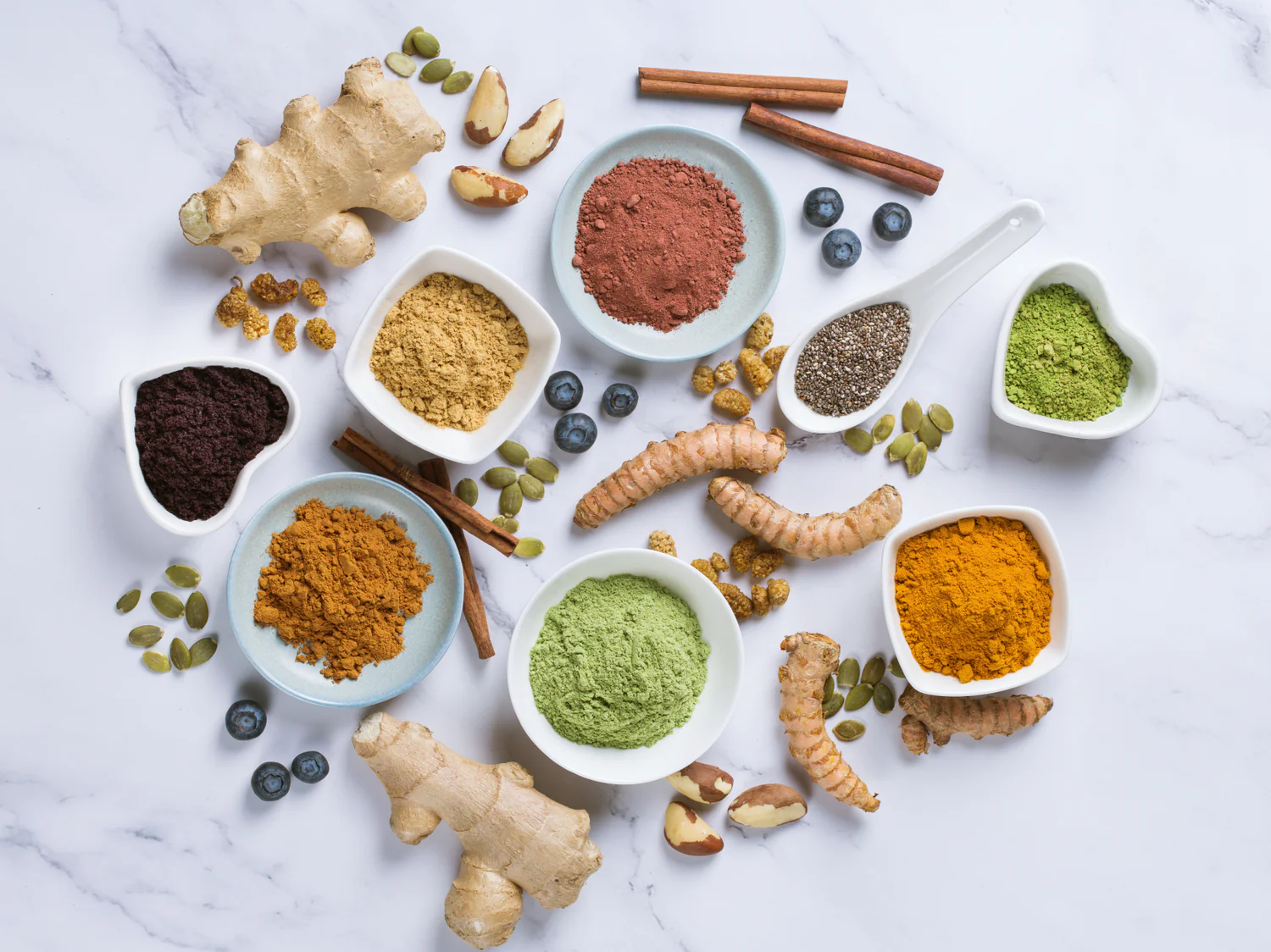
In recent years, superfoods have become a central part of health and wellness discussions, often marketed as miracle foods that can cure ailments, improve skin, boost energy, and enhance overall well-being. However, the rise of these nutrient-packed powerhouses has also led to an influx of misinformation and misconceptions. While many superfoods certainly offer impressive health benefits, not all of them are as beneficial as they’re made out to be, and some even come with hidden pitfalls that can hinder their effectiveness. To truly harness the potential of superfoods, it’s essential to know not only what to incorporate into your diet but also what to avoid. Here’s a deeper look into the things you should steer clear of when it comes to superfoods that actually work.
1. Overly Processed Superfoods
The idea behind superfoods is to provide the body with nutrient-dense, whole food options that pack a punch in terms of vitamins, minerals, and antioxidants. Unfortunately, many superfoods on the market are heavily processed, which strips them of their natural nutrients and often adds unwanted sugars, preservatives, and artificial flavors.
Take, for example, the superfood acai. While acai berries are rich in antioxidants and have been linked to various health benefits, acai bowls and juices sold at most smoothie bars are often laden with added sugars and low in actual acai content. In many cases, these products are far from the nutritional powerhouse the berry itself represents. Similarly, many green powders marketed as superfoods are dehydrated and mixed with artificial sweeteners and fillers that undermine their health benefits.
To truly reap the benefits of superfoods, focus on incorporating fresh, organic, or minimally processed versions. Opt for fresh berries instead of acai juices, or look for powders and supplements that contain pure ingredients without unnecessary additives. When in doubt, always check the ingredient list to ensure that what you’re consuming is close to its natural form.
2. Excessive Consumption of Superfoods
While superfoods are undoubtedly nutritious, consuming them in excessive amounts can lead to unintended health consequences. Like anything else in a balanced diet, moderation is key. It’s easy to fall into the trap of thinking that more is better, but overindulging in certain superfoods can disrupt your nutrient balance and lead to problems such as digestive issues, hormonal imbalances, or toxicity.
Take kale, for example, a commonly praised superfood known for its high levels of vitamins A, C, and K, along with beneficial fiber. While kale can support healthy digestion and immunity, eating it in excess can cause thyroid issues due to its high content of goitrogens, compounds that can interfere with iodine absorption. Similarly, consuming too much turmeric, which contains curcumin, can lead to digestive disturbances and interfere with certain medications, especially blood thinners.
To avoid the dangers of overconsumption, be mindful of portion sizes and aim for a variety of superfoods to ensure a well-rounded intake of nutrients. Eating a wide range of fruits, vegetables, nuts, seeds, and legumes will allow you to experience the benefits of different superfoods while avoiding the negative effects of overindulgence.
3. Relying on Superfoods as a Quick Fix
Another pitfall to avoid is relying on superfoods as a “quick fix” or expecting them to single-handedly improve your health. While some superfoods are undeniably packed with health benefits, they cannot replace the foundational elements of a healthy lifestyle. Diet, exercise, sleep, and stress management all play integral roles in achieving long-term health.
For instance, while chlorella (a type of green algae) is known for its detoxifying properties, it won’t effectively cleanse your body if you’re still consuming processed foods, drinking excessive alcohol, or neglecting physical activity. Superfoods should be seen as part of a broader, holistic approach to well-being, not as a magic solution to health problems.
Rather than fixating on a single ingredient or trendy food, aim to create a balanced and nutrient-rich diet that includes a variety of whole foods. Prioritize fruits, vegetables, whole grains, lean proteins, and healthy fats, and use superfoods as an additional boost rather than the centerpiece of your diet.
4. Superfoods with Unsubstantiated Claims
In the world of superfoods, many products are marketed with extravagant promises that aren’t necessarily backed by science. While some superfoods have a wealth of research supporting their benefits, others are hyped without substantial evidence, leading consumers to spend money on products that offer little to no real health improvement.
One example is the trend of “detox” superfoods, such as detox teas or powders, that promise to cleanse the body and promote weight loss. While these products are often packed with ingredients that may provide some minor digestive support or antioxidants, they typically fail to deliver the dramatic results they advertise. Detoxifying is a natural process carried out by the liver and kidneys, and there’s little evidence to support the need for special detox foods or supplements.
Similarly, many trendy superfoods such as goji berries or matcha have been touted as miracle foods with anti-aging and anti-cancer properties, but the evidence supporting these claims is often inconclusive or exaggerated. It’s crucial to look for peer-reviewed scientific studies or consult a healthcare professional before getting caught up in the marketing hype.
When incorporating superfoods into your diet, it’s important to do your research and be cautious of unsubstantiated health claims. Instead, choose foods that have a well-established nutritional profile and a proven track record of health benefits.
5. Ignoring Personal Sensitivities or Allergies
Just because a food is labeled as a superfood doesn’t mean it’s suitable for everyone. It’s important to take into account any personal sensitivities or allergies you may have when incorporating new superfoods into your diet. Foods like quinoa, nuts, or even kale can cause digestive issues for some individuals, and those with allergies to certain foods may need to be particularly careful with superfood options.
For example, chia seeds are often heralded for their high omega-3 content and fiber, but for individuals who have trouble with digesting high-fiber foods, they may cause bloating, gas, or discomfort. Similarly, people with nut allergies should avoid nut-based superfoods such as almond butter, cashews, or hemp seeds.
It’s essential to pay attention to how your body responds when you introduce a new superfood into your diet. If you experience discomfort, skin irritation, or digestive issues, consult with a healthcare professional to determine whether a specific food may be causing a reaction.
6. Superfoods with Added Sugar or Artificial Sweeteners
Many superfood products, especially those that come in powder form or as smoothies, can be high in added sugar or artificial sweeteners. While natural sugars from fruits and vegetables can be part of a healthy diet, the added sugars found in some superfood-based products can negate any potential health benefits. These added sugars contribute to calorie overload, increase the risk of obesity, and can spike blood sugar levels, which is detrimental to overall health.
For instance, many pre-packaged acai bowls and smoothies contain substantial amounts of added sugar, which can make the product less nutritious and more akin to a dessert than a healthful meal. Similarly, some superfood protein bars and powders use artificial sweeteners like aspartame or sucralose, which may have negative effects on gut health and metabolism.
To get the most out of your superfoods, focus on fresh, whole foods and avoid products with excessive sugar or artificial additives. Choose natural sweeteners like honey, stevia, or fruit when necessary, and always read the labels to ensure that you’re not inadvertently sabotaging your health goals.
Conclusion
Superfoods are undeniably valuable additions to a well-rounded diet, offering an array of nutrients, antioxidants, and health benefits. However, to truly benefit from these foods, it’s important to avoid the pitfalls of overconsumption, reliance on processed options, and the lure of unsubstantiated claims. By opting for whole, minimally processed superfoods, practicing moderation, and integrating them into a balanced diet, you can harness the power of these nutrient-dense foods without falling prey to common misconceptions. Remember, the key to a healthy diet isn’t about finding the next miracle food, but about creating a holistic approach that nourishes your body from the inside out.