
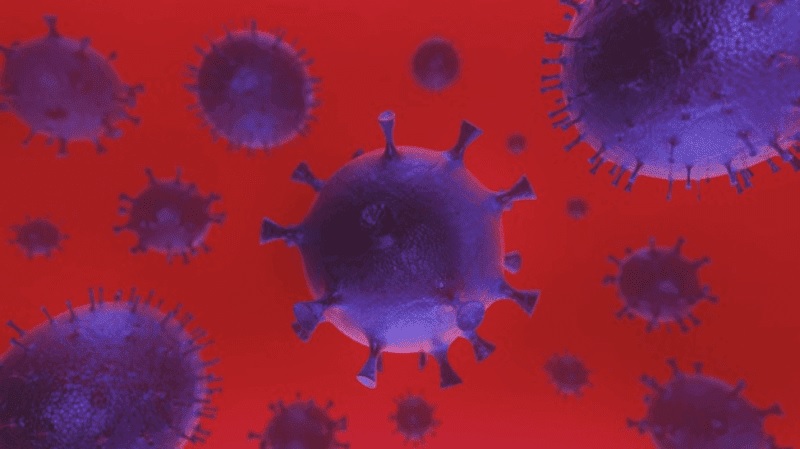
The COVID-19 pandemic has irrevocably changed the world in countless ways. Beyond the immediate health impacts of the virus, many individuals continue to feel the ripple effects long after their initial recovery. For some, the aftermath of contracting COVID-19 isn’t just a temporary setback but a collection of long-term symptoms, often referred to as “long COVID” or post-acute sequelae of SARS-CoV-2 infection (PASC). These lingering symptoms can affect various aspects of physical and mental health, significantly altering daily routines. As the world moves forward, it’s essential to understand these long-term effects and how you can adapt your routine to manage them effectively.
1. Fatigue and Energy Management
One of the most common long-term effects of COVID-19 is fatigue. Many individuals report feeling unusually tired or drained for weeks, months, or even longer after recovering from the initial infection. This post-viral fatigue can be debilitating, making everyday tasks feel overwhelming.
To manage this, it’s crucial to prioritize energy conservation and implement a balanced routine. Gradually incorporating gentle exercises such as walking or yoga into your day can help to restore energy levels. Additionally, practicing the “pacing” technique, which involves alternating periods of activity and rest, can help prevent exhaustion. By listening to your body and making adjustments to your daily schedule, you can avoid overexertion and allow your energy levels to improve over time.
2. Cognitive Impairment (Brain Fog)
Another common long-term effect is cognitive impairment, often referred to as “brain fog.” This condition is characterized by difficulty concentrating, memory problems, and mental confusion. Individuals may feel mentally sluggish or unable to focus, which can be frustrating and impact work and daily activities.
To counteract brain fog, mental stimulation is key. Engaging in activities that challenge the brain—such as puzzles, reading, or learning a new skill—can help sharpen cognitive function. Adequate sleep is also essential, as rest is crucial for mental clarity. Moreover, establishing a consistent routine and reducing distractions can help manage cognitive difficulties.
3. Shortness of Breath and Respiratory Issues
COVID-19 can damage the respiratory system, and some individuals experience ongoing shortness of breath or difficulty breathing long after the virus has cleared their body. This is especially common among those who experienced severe infection or were hospitalized during the acute phase of the disease.
Incorporating respiratory exercises into your daily routine can be beneficial. Practices such as diaphragmatic breathing, pursed-lip breathing, and deep-breathing exercises can help improve lung capacity and ease breathing difficulties. Gradually increasing physical activity, starting with gentle exercises and building up over time, will also support respiratory health. If symptoms persist, seeking professional guidance, such as pulmonary rehabilitation, may be necessary.
4. Joint and Muscle Pain
COVID-19 can lead to lingering joint and muscle pain, which may persist even after the infection has resolved. This condition, known as myalgia, affects a significant number of people recovering from the virus. It can make movement difficult and contribute to a sense of stiffness or discomfort.
A combination of stretching, low-impact exercise, and heat therapy can help alleviate muscle and joint pain. Gentle yoga or Pilates routines can improve flexibility, increase strength, and reduce discomfort. Additionally, incorporating restorative practices, such as soaking in warm baths or using heating pads, can provide short-term relief.
5. Anxiety and Mental Health Challenges
The experience of having COVID-19, combined with the stress of living through a pandemic, can contribute to long-term mental health challenges. Many individuals face heightened levels of anxiety, depression, and stress, even after the physical symptoms of the virus have subsided.
Adding mindfulness and stress-management techniques to your routine can help mitigate these mental health effects. Practices like meditation, deep breathing exercises, and journaling have been shown to reduce anxiety and promote emotional well-being. Therapy, either through in-person sessions or virtual platforms, is another helpful resource for processing any emotional trauma related to the pandemic or long COVID symptoms.
6. Sleep Disturbances
Many individuals recovering from COVID-19 report experiencing disrupted sleep patterns. These disruptions can range from difficulty falling asleep to waking up frequently throughout the night, leaving individuals feeling unrested and fatigued during the day. Poor sleep quality can exacerbate other long-term symptoms like brain fog and fatigue, creating a vicious cycle of poor health.
Improving sleep hygiene is one of the most effective ways to address sleep disturbances. This involves creating a consistent bedtime routine, reducing screen time before bed, and ensuring the sleep environment is dark, quiet, and comfortable. Limiting caffeine intake in the hours leading up to bedtime can also help improve sleep quality. For those with more severe sleep disruptions, consulting with a healthcare provider for further guidance may be necessary.
7. Heart Palpitations and Chest Pain
Some people who have had COVID-19 experience heart palpitations or chest pain even after their acute symptoms have subsided. These symptoms may be related to the strain COVID-19 places on the cardiovascular system, especially in individuals who experienced severe illness or pre-existing heart conditions.
It’s important to listen to your body and monitor any concerning symptoms. If you experience chest pain or palpitations that persist, seeking medical advice is critical to rule out any underlying heart issues. Meanwhile, gentle exercises like walking or swimming can help to maintain cardiovascular health and improve overall circulation. Stress management techniques, including relaxation exercises, can also help reduce the occurrence of heart palpitations.
8. Loss of Taste and Smell
Although the loss of taste and smell is often an acute symptom during a COVID-19 infection, for some people, it can persist long after recovery. This condition, known as anosmia, can affect the enjoyment of food and cause a lack of appetite, which may contribute to weight loss or nutritional deficiencies.
One way to address this issue is to engage in “smell training,” a technique where individuals repeatedly expose themselves to strong scents, such as essential oils, herbs, or spices, in an effort to retrain the brain to recognize and process smells. Experimenting with different textures and temperatures in food can also help make eating more enjoyable. In some cases, professional guidance from an ENT (ear, nose, and throat) specialist may be beneficial for further treatment options.
9. Digestive Issues
COVID-19 can also impact the digestive system, leading to symptoms like nausea, diarrhea, or bloating long after the initial infection. These gastrointestinal issues can significantly affect your comfort and overall well-being.
To help manage digestive concerns, a diet rich in fiber, probiotics, and hydration is essential for gut health. Foods like yogurt, kefir, sauerkraut, and high-fiber vegetables can promote healthy digestion and help alleviate symptoms. Avoiding processed foods or those that trigger your digestive issues can also help improve comfort. If these symptoms persist, consulting with a healthcare provider or nutritionist can offer more personalized dietary adjustments.
10. Skin Issues
Some people recovering from COVID-19 experience ongoing skin issues, such as rashes, dryness, or hair loss. While these problems typically resolve over time, they can be distressing and affect self-esteem.
To address skin concerns, maintaining a gentle skincare routine is essential. Use hydrating moisturizers, avoid harsh chemicals, and keep the skin clean to support healing. For hair loss, consider incorporating biotin-rich foods or supplements into your diet, as biotin is known to support hair health. In cases of severe or persistent skin issues, a dermatologist can provide targeted treatments and advice.
Conclusion
The long-term effects of COVID-19 are varied and complex, but with the right approach, they can be managed effectively. By adjusting your routine to include practices like physical activity, mindfulness, healthy nutrition, and rest, you can support your body and mind as you recover from the long-lasting impacts of the virus. While recovery may take time, it’s important to remember that you are not alone, and with the right strategies in place, you can regain your strength and well-being. As we continue to navigate this new reality, taking proactive steps to care for yourself will be key to a successful and healthy recovery.