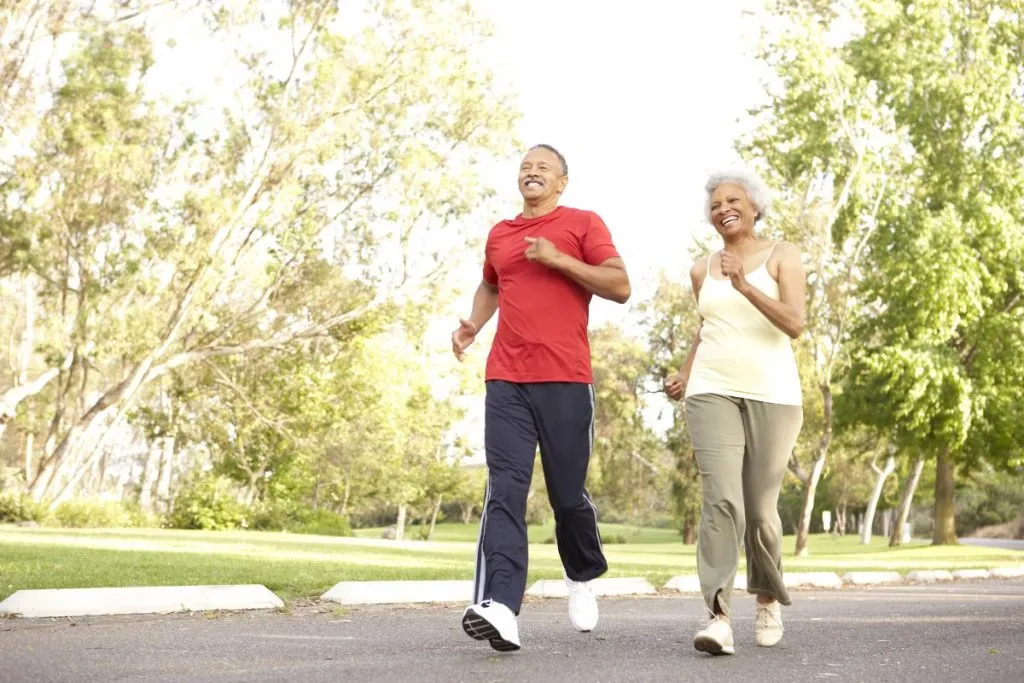
Aging is inevitable, but how we age is far more flexible than once believed. Decades-long research following thousands of people across different cultures now paints a clear picture: regular physical activity profoundly shapes how the body and mind age over time. These long-term studies move beyond short-term fitness gains and reveal how exercise influences longevity, independence, and quality of life well into later years.
Why Long-Term Studies Matter in Aging Research
Short studies can show quick improvements, but aging unfolds over decades. Long-term research tracks participants for 10, 20, or even 40 years, allowing scientists to observe how consistent movement habits affect disease risk, mobility, and cognitive decline.
These studies reveal patterns that snapshots cannot, such as:
- How early-life activity influences health in later decades
- Whether benefits persist when exercise intensity changes with age
- The cumulative effects of moderate activity over time
The findings consistently point to exercise as a protective factor against accelerated aging.
Exercise and Longevity: More Than Just Living Longer
One of the strongest conclusions from long-term research is that physically active individuals tend to live longer. More importantly, they live better.
Key longevity insights include:
- Regular exercisers show lower all-cause mortality rates
- Even moderate activity reduces the risk of early death
- Benefits are seen regardless of body weight or genetics
Notably, people who begin exercising later in life still gain measurable longevity advantages, challenging the idea that it is “too late” to start.
How Exercise Preserves Physical Function With Age
Aging is often associated with muscle loss, joint stiffness, and reduced balance. Long-term studies show that exercise slows or prevents many of these changes.
Physical benefits observed over decades:
- Slower muscle mass decline, especially with resistance training
- Better bone density, reducing fracture risk
- Improved balance and coordination, lowering fall incidence
- Greater ability to perform daily activities independently
Individuals who stay active are far more likely to maintain autonomy well into their 70s, 80s, and beyond.
Cognitive Health and Brain Aging
Exercise does not only benefit the body. Long-term data links physical activity to better brain health and reduced cognitive decline.
Brain-related findings include:
- Lower risk of memory impairment and dementia
- Slower age-related brain shrinkage
- Improved attention, processing speed, and executive function
Aerobic activities such as walking, swimming, and cycling appear particularly beneficial, likely due to improved blood flow and reduced inflammation.
Chronic Disease Risk Over Time
Many chronic conditions develop gradually. Long-term studies show that exercise disrupts this progression.
Regular activity is associated with:
- Reduced risk of heart disease and stroke
- Better blood sugar control and lower diabetes incidence
- Decreased inflammation linked to arthritis and metabolic disorders
- Improved immune system resilience with age
These protective effects accumulate, meaning consistency matters more than intensity.
How Much Exercise Is Enough as We Age?
Long-term research challenges the belief that aging requires extreme workouts to see benefits.
Effective long-term activity patterns include:
- 150 minutes of moderate aerobic activity per week
- Strength training 2–3 times weekly to preserve muscle
- Balance and flexibility exercises to reduce injury risk
Walking, gardening, swimming, and light resistance training all contribute meaningfully when sustained over years.
Starting Late Still Works
One of the most encouraging findings is that exercise benefits appear at any age. People who adopt active lifestyles in midlife or later still experience:
- Improved mobility
- Reduced disease risk
- Better mental well-being
Consistency, not perfection, determines long-term success.
The Bigger Picture: Aging With Vitality
Long-term studies shift the narrative of aging away from decline and toward adaptation. Exercise acts as a biological buffer, slowing many age-related changes while enhancing resilience. Rather than adding years alone, movement adds life to those years.
Frequently Asked Questions
1. Can exercise really slow the aging process?
Exercise does not stop aging, but long-term evidence shows it slows physical and cognitive decline associated with aging.
2. Is walking enough exercise for older adults?
Yes, especially when done regularly. Walking provides cardiovascular benefits and supports joint health and balance.
3. Do strength exercises matter more as we age?
They become increasingly important, as muscle loss accelerates with age and strength training helps preserve mobility and independence.
4. How soon do older adults see benefits after starting exercise?
Improvements in energy, balance, and mood can appear within weeks, while disease risk reduction builds over years.
5. Is high-intensity exercise necessary for longevity?
No. Long-term studies show that moderate, consistent activity delivers substantial benefits without high injury risk.
6. Can exercise improve mental health in older age?
Yes. Regular physical activity is linked to lower rates of depression, anxiety, and cognitive decline.
7. What is the biggest mistake people make when exercising for healthy aging?
Being inconsistent. Long-term benefits come from sustainable habits, not short bursts of intense activity.
About the Author