
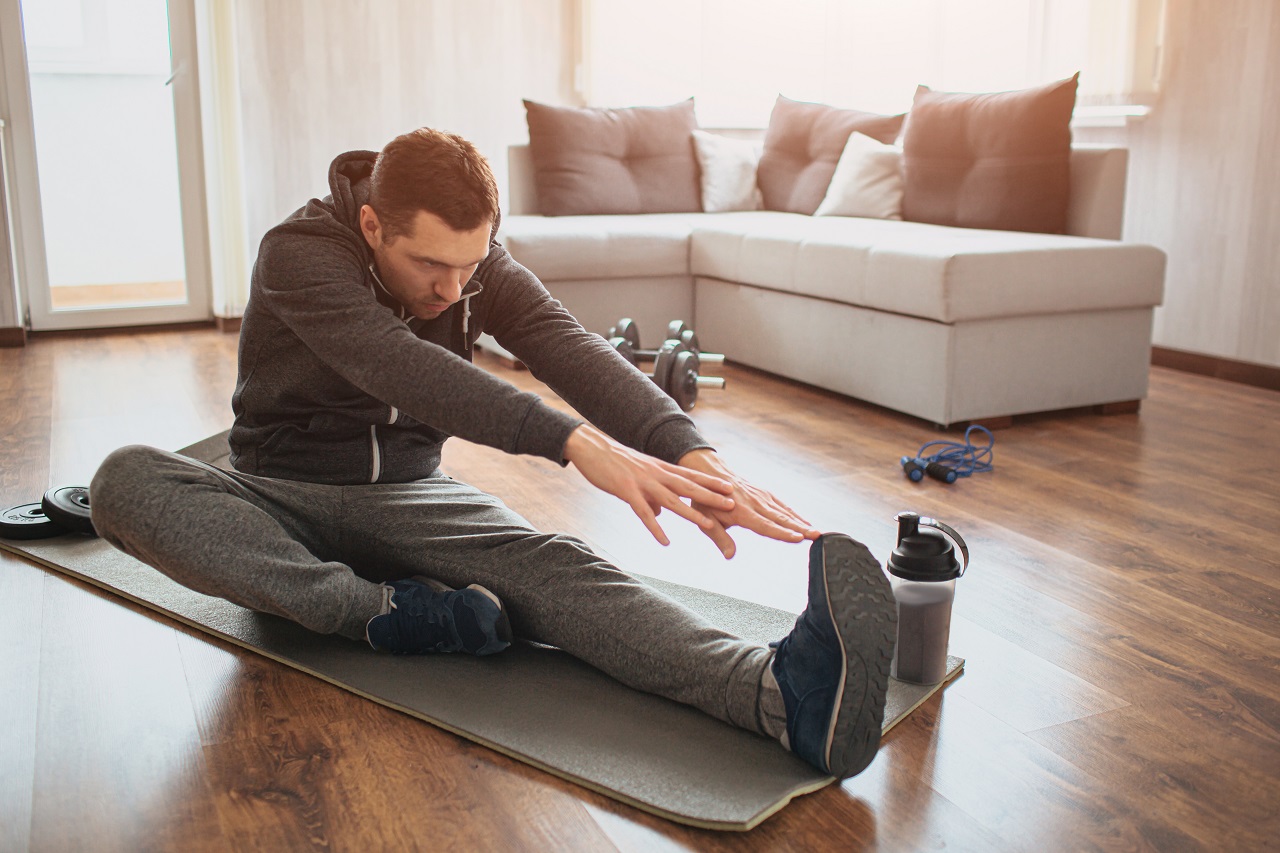
In the age of convenience, home workouts have surged in popularity. From the rise of online fitness classes to apps that offer personalized routines, more people are choosing to exercise in the comfort of their own homes. Yet, with the rise of this trend has come an avalanche of myths and misconceptions that can hinder progress or even discourage individuals from trying home workouts altogether. In this article, we will explore some of the most common myths about home workouts, supported by scientific evidence, to clear up the confusion and help you make the most of your at-home fitness routine.
1. “Home Workouts Aren’t as Effective as the Gym”
This is perhaps one of the most persistent myths surrounding home exercise. Many people believe that in order to see serious results, they need access to the specialized equipment and weights found in a gym. They assume that bodyweight exercises or simple home routines cannot match the effectiveness of traditional gym workouts.
The Truth: According to a study published in the Journal of Strength and Conditioning Research, bodyweight exercises can be just as effective as using gym equipment when performed correctly and with sufficient intensity. Exercises like push-ups, squats, lunges, and planks engage multiple muscle groups and are excellent for building strength, endurance, and muscle tone. In fact, many home workout routines incorporate compound movements that target large muscle groups and provide a solid workout without the need for heavy weights.
Scientific Backing: Research in Sports Medicine suggests that high-intensity bodyweight training, when done consistently, can lead to muscle hypertrophy (growth) and improvements in strength, comparable to traditional resistance training. The key to success with home workouts lies in progression—gradually increasing the difficulty by altering the exercises, increasing the intensity, or adding resistance with equipment like dumbbells or resistance bands.
2. “You Need Expensive Equipment to Get Results”
There is a common belief that in order to get a good workout at home, you need to invest in expensive equipment—dumbbells, kettlebells, resistance bands, or even larger machines like treadmills or rowing machines. The thought of buying all this equipment can make home workouts seem financially unfeasible.
The Truth: While equipment can enhance a workout, it is by no means a necessity for achieving great results. In fact, many of the most effective exercises can be performed with just your body weight. Exercises such as squats, push-ups, burpees, planks, and lunges can offer a full-body workout that challenges your cardiovascular and muscular systems.
Scientific Backing: According to a study published in the Journal of Applied Physiology, bodyweight exercises activate the same muscle groups as weightlifting exercises, providing a sufficient stimulus for muscle growth and fat loss. Additionally, bodyweight training has been found to improve balance, flexibility, and coordination. Furthermore, research in The American Journal of Clinical Nutrition shows that combining aerobic exercise (such as jogging or jump rope) with bodyweight training can significantly improve cardiovascular health and endurance, even without expensive gym equipment.
3. “You Can’t Build Muscle Without Weights”
Many people assume that lifting weights is the only way to build muscle mass. This myth discourages people from trying bodyweight training or even light resistance exercises at home, under the assumption that they will not be able to achieve the same results as they would in a gym.
The Truth: Muscle building, also known as hypertrophy, is primarily driven by progressive overload—creating a situation where muscles are consistently challenged beyond their normal capacity. While heavy weights are one way to achieve this, bodyweight exercises and other forms of resistance training can also stimulate muscle growth if you progressively increase the difficulty. This can be achieved by increasing repetitions, modifying the exercise to make it harder, or using resistance bands to add tension.
Scientific Backing: A study published in The Journal of Strength and Conditioning Research demonstrated that bodyweight exercises like push-ups and squats could effectively build muscle mass when performed with sufficient intensity and progression. The same study showed that incorporating exercises like pull-ups or lunges, which target larger muscle groups, can also stimulate hypertrophy similar to weight training. The key factor is not necessarily the equipment used, but the challenge to your muscles over time.
4. “Home Workouts Are Only Good for Cardio”
Many people perceive home workouts as primarily cardiovascular, assuming that only intense, fast-paced exercises like running, jumping jacks, or cycling provide real benefits. This myth overlooks the fact that home workouts can be highly effective for building strength, flexibility, and endurance, in addition to cardiovascular health.
The Truth: Home workouts can target all components of fitness, including strength, flexibility, and mobility. Bodyweight exercises, yoga, Pilates, and resistance band routines can build muscular strength and improve flexibility just as effectively as gym-based exercises. Moreover, these workouts can be tailored to focus on specific muscle groups, making them versatile and adaptable to your fitness goals.
Scientific Backing: According to the International Journal of Sports Medicine, activities like yoga and Pilates can improve muscular strength and joint flexibility. Similarly, a study published in Sports Health demonstrated that resistance training with minimal equipment (such as resistance bands or bodyweight exercises) significantly improves muscle strength and endurance. Therefore, cardio is just one aspect of home workouts, and there are many options for incorporating strength and flexibility training into your routine.
5. “Home Workouts Will Always Be Disorganized”
Some people think that home workouts lack structure, believing that without a trainer or structured gym program, their routines will be scattered and ineffective. This can lead to hesitation or a lack of consistency, with individuals abandoning their workouts due to confusion or lack of motivation.
The Truth: Home workouts can be just as structured and well-organized as gym routines, especially with the wealth of resources available today. From apps and online classes to workout programs designed by fitness professionals, it’s easier than ever to follow a structured plan that fits your goals and abilities. Additionally, many home workouts are based on scientifically backed training principles, ensuring they are effective and progressive.
Scientific Backing: Research published in The British Journal of Sports Medicine shows that structured exercise programs—whether at home or in the gym—are more likely to lead to long-term fitness adherence and better results. The key to success lies in having a clear plan with measurable goals, such as increasing repetitions or intensity over time, and sticking to a consistent routine. Fortunately, numerous online platforms offer free or paid programs that provide structure, guidance, and accountability.
6. “You Can’t Get a Full-Body Workout at Home”
A myth that often arises is that it’s difficult, if not impossible, to get a comprehensive, full-body workout at home. The assumption is that home exercises mainly target specific muscle groups, leaving others neglected and underdeveloped.
The Truth: A well-designed home workout can target all major muscle groups, providing a balanced, full-body routine. By combining compound exercises (movements that engage multiple muscle groups) such as push-ups, squats, lunges, planks, and burpees, you can create a comprehensive workout that challenges your entire body. Additionally, the use of bodyweight exercises, resistance bands, or dumbbells allows for muscle group targeting, ensuring a balanced routine.
Scientific Backing: A study published in The Journal of Sports Science & Medicine emphasized the importance of full-body workouts for improving overall muscle endurance and strength. Compound exercises, which require multiple muscle groups to work together, are particularly effective at building strength and enhancing coordination. Thus, with proper planning, a home workout can provide all the benefits of a gym session.
7. “You Need to Work Out Every Day to See Results”
The myth that you need to exercise daily in order to see results is prevalent, especially among those starting their fitness journey. Many individuals believe that skipping a workout day will derail their progress, leading to feelings of guilt or the temptation to push their bodies too hard.
The Truth: Recovery is just as important as the workout itself. Overtraining can lead to burnout, injuries, and diminished results. Science shows that rest days are crucial for muscle repair and growth, and most people will see better results with 3-4 workouts a week than by trying to exercise daily.
Scientific Backing: According to the Journal of Applied Physiology, rest days allow muscles to recover and rebuild, which is essential for improving strength and endurance. Training every day without adequate recovery can lead to fatigue, diminished performance, and increased injury risk. Therefore, incorporating rest days into your routine is key to long-term success and injury prevention.
Conclusion
The world of home workouts is rife with misconceptions, but understanding the science behind exercise can help debunk these myths and empower you to take full advantage of the benefits of working out at home. Whether you’re aiming to build muscle, lose weight, improve cardiovascular health, or enhance flexibility, a well-structured home workout routine can help you achieve your fitness goals without the need for expensive equipment or gym memberships. By clearing up these common myths, you can approach your home workouts with confidence, knowing that with the right mindset, dedication, and knowledge, you can get real, lasting results.