
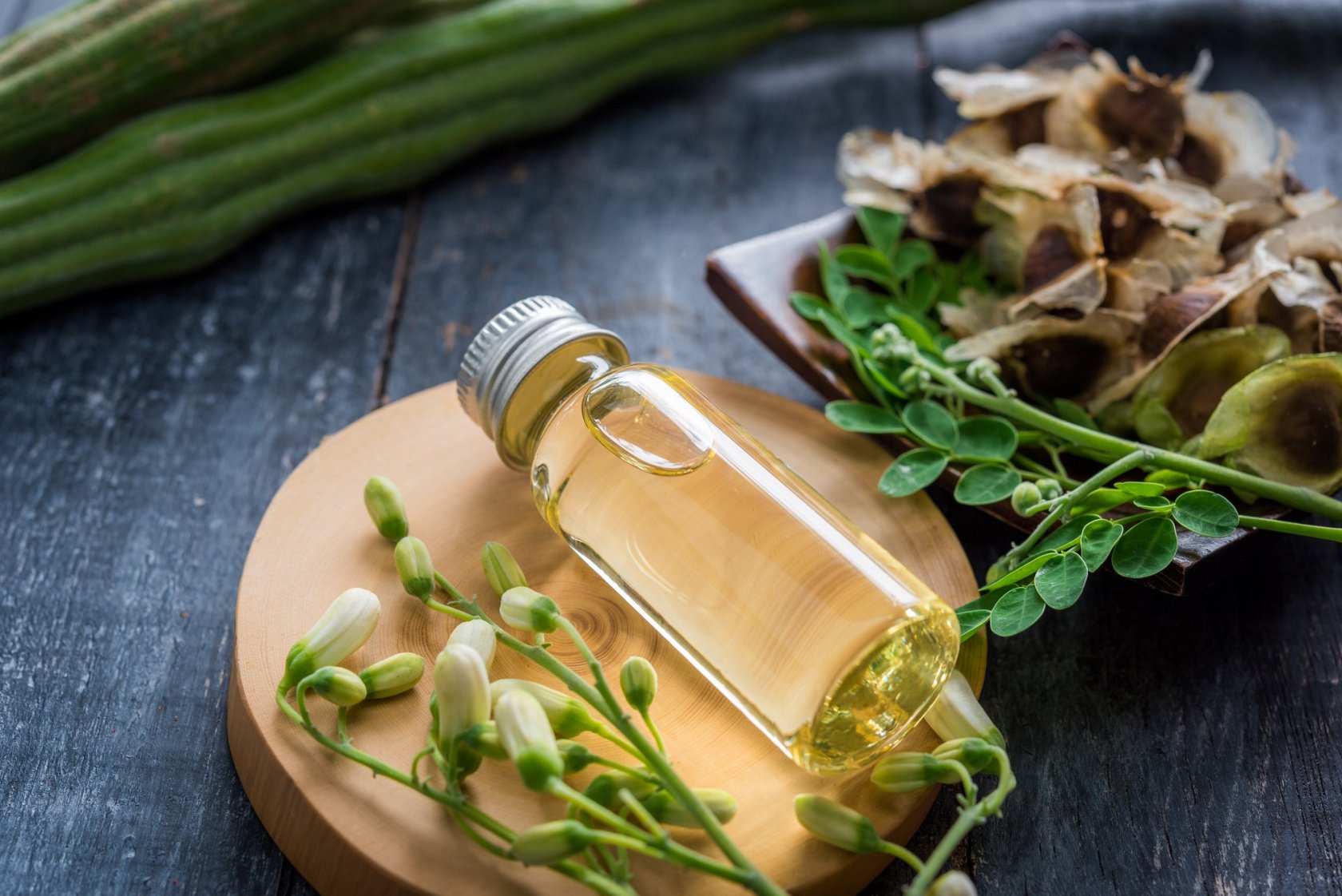
Extracted from the seeds of the moringa tree, moringa oil has become a favourite household product. Its mild scent and versatile properties make it useful for a variety of applications. Many fans of natural products keep a bottle of natural moringa oil in their kitchen and bathroom.
In skin care, a few drops can be applied to dry patches or mixed with moisturiser. The light texture absorbs quickly, leaving skin feeling soft. Some people use it to soothe minor irritations or as a makeup remover.
It also works well as a hair treatment. Applying a small amount to the ends of damp hair can reduce frizz and add shine. Massaging the oil into the scalp may help with dryness.
Ways to incorporate moringa oil include using it as a face serum or mixing it into your favorite lotion. Apply it to hair ends to tame flyaways and improve shine. Add a few drops to bath water for a nourishing soak. Use it as a cuticle oil to moisturize nails. Create a gentle massage oil by blending it with other carrier oils.
Because it is gentle and multi purpose, moringa oil is a simple addition to daily routines. A little goes a long way, making each bottle last for months.
Some cooks use small amounts of moringa oil in culinary applications, particularly for salad dressings and dips. Its light, nutty flavor complements fresh vegetables and herbs, adding a subtle richness to meals.
Historically, communities in tropical regions have prized moringa for its resilience and nutritional benefits. Using the oil connects modern households with these traditions and highlights the plant’s versatility.
As with any product, a patch test is recommended when trying moringa oil on the skin for the first time. Applying a drop to the inside of your arm helps identify any sensitivity before using it more widely. This simple precaution ensures a comfortable experience.
Because moringa trees grow quickly and require minimal resources, the oil is often considered an environmentally friendly option. Choosing products derived from sustainable agriculture supports ecological balance and local economies.
Apart from personal care, moringa oil can be used to polish wooden utensils or condition leather goods, demonstrating its versatility in household maintenance. Learning about its production supports appreciation of the labour and care that go into each bottle.
Blending moringa oil with other natural oils allows you to customise treatments for specific needs. Creating personalised blends adds variety to your routine and enhances the benefits of each application.
Using moringa oil as a natural furniture polish adds shine to wood surfaces without harsh chemicals. Applying a small amount to bicycle chains or tools helps prevent rust and keeps them working smoothly. It proves useful in the garage as well as the kitchen.