
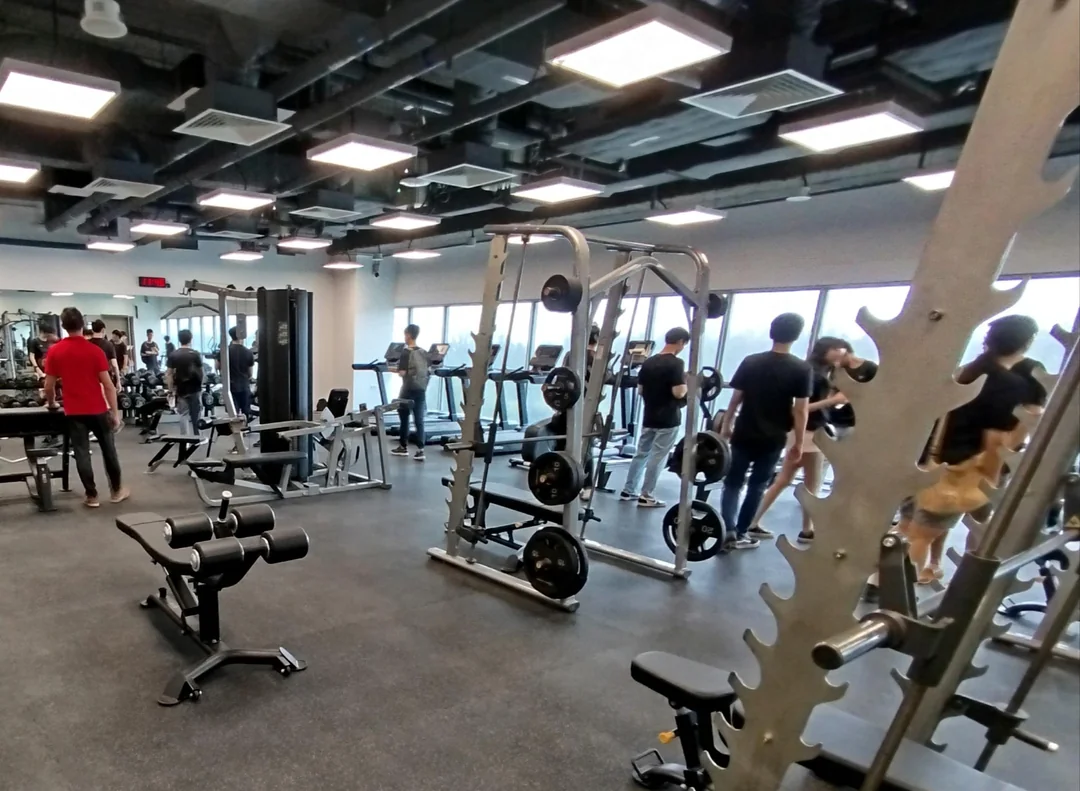
When most people think about gyms, the first images that come to mind are treadmills, stationary bikes, and rows of weight machines. But in recent years, a new movement has taken hold. Functional training has become one of the fastest-growing fitness trends in Singapore, reshaping how people view workouts and how gyms are designed. Anyone exploring a gym Singapore will notice a shift toward exercises that go beyond isolated muscle training and instead focus on practical, real-world movement patterns.
What is Functional Training?
Functional training involves exercises that mimic the movements we use in daily life. Instead of focusing solely on building muscle size, it emphasises coordination, strength, stability, and flexibility across multiple joints and muscle groups.
For example, a squat is not just a lower-body exercise, but a movement that trains you for everyday actions like sitting down or lifting objects. A farmer’s carry trains grip and core stability in ways that mirror carrying groceries or luggage.
The philosophy behind functional training is simple: make the body strong and capable for the activities it encounters beyond the gym.
Why Functional Training Appeals to Singaporeans
The appeal of functional training in Singapore is closely tied to lifestyle. Long working hours mean many residents need workouts that are efficient, engaging, and directly applicable to daily life. Unlike traditional gym routines that may feel repetitive, functional exercises offer variety and practical benefits.
Several reasons stand out:
- Efficiency: A single movement often trains multiple muscle groups at once.
- Relevance: Movements mimic real-life activities, reducing the risk of injury in daily living.
- Engagement: Dynamic routines keep boredom at bay compared to static machine work.
- Accessibility: Many functional exercises use bodyweight or simple tools, making them suitable for beginners.
Popular Functional Training Tools in Singapore Gyms
Functional training is supported by a wide range of equipment. In Singapore gyms, you will often find dedicated zones featuring:
- Kettlebells: For swings, presses, and carries that develop explosive strength and endurance.
- TRX Suspension Trainers: Using bodyweight and gravity for scalable strength training.
- Medicine Balls: Perfect for throws, slams, and rotational power drills.
- Battle Ropes: Engaging full-body cardiovascular and strength conditioning.
- Resistance Bands: Portable tools for both mobility and strength exercises.
- Sled Pushes and Pulls: For building power, stability, and athletic conditioning.
These tools allow for creativity and variety, ensuring that workouts stay fresh and adaptable to different fitness levels.
Functional Training vs Traditional Gym Workouts
Traditional gym training often isolates muscles using machines or free weights. While this is effective for building specific muscle groups, it may not fully translate into improved day-to-day performance. Functional training, by contrast, places emphasis on compound movements.
For instance:
- Instead of a leg extension machine, a squat trains the legs, glutes, and core together.
- Instead of seated shoulder presses, kettlebell presses challenge stability while building upper body strength.
- Instead of stationary ab crunches, planks and rotational movements prepare the body for real-life twisting and bending.
This difference appeals to urban Singaporeans who want both fitness and practicality from their training.
The Role of Group Functional Training Classes
Group classes have become one of the most popular ways to experience functional training in Singapore. These sessions often blend strength, cardio, and mobility into a single routine, led by an instructor who ensures variety and progression.
The advantages include:
- Accountability from attending scheduled sessions.
- Motivation from the group energy.
- Guidance on form and technique to prevent injury.
- Community that helps people stay consistent with their routines.
Classes also fit the busy schedules of Singapore residents, with many running for 45–60 minutes, making them convenient for lunch breaks or evenings.
Injury Prevention and Longevity
One of the biggest advantages of functional training is its role in injury prevention. By training stability, coordination, and mobility, it helps reduce the likelihood of strains from everyday movements. For office workers in Singapore who spend hours at a desk, functional exercises such as hip openers, core stability drills, and posture-focused movements are especially beneficial.
Over time, functional training supports longevity by ensuring that fitness is not only about short-term strength but also about maintaining mobility and independence as people age.
Functional Training for Different Age Groups in Singapore
The adaptability of functional training makes it suitable for various demographics:
- Young Adults: Seeking dynamic workouts that complement sports and active lifestyles.
- Working Professionals: Short, efficient routines that counteract sedentary habits.
- Older Adults: Exercises tailored to improve balance, prevent falls, and maintain independence.
- Youth Athletes: Training that builds foundational movement patterns without overloading developing joints.
This inclusiveness explains why functional training is increasingly highlighted in modern gym programs.
How Singapore Gyms Are Adapting Their Spaces
To keep up with demand, many gyms in Singapore are redesigning their layouts. Functional zones now often take centre stage, equipped with turf strips for sled pushes, open areas for dynamic drills, and racks that support suspension systems.
These spaces reflect the growing preference for workouts that prioritise versatility over rows of machines. It shows a cultural shift in how gyms are expected to support the fitness goals of modern members.
The Future of Functional Fitness in Singapore
As awareness grows, functional training is expected to dominate more of the fitness landscape. With increased demand for workouts that integrate strength, mobility, and cardiovascular training, gyms will likely continue investing in multi-use spaces and functional tools.
The rise of hybrid routines, where traditional lifts are combined with functional drills, suggests that the future is not about replacing one style with another but integrating the best of both.
How TFX Singapore Supports Functional Training
Gyms like TFX Singapore have embraced the shift toward functional training by offering dedicated spaces, innovative equipment, and guided programs that cater to diverse fitness levels. For members looking to blend practicality with performance, these facilities provide an ideal environment.
FAQ
Q. Is functional training suitable for beginners?
A. Yes, it is highly adaptable. Many exercises use bodyweight, making them safe for beginners. Progressions can be added gradually as strength improves.
Q. How often should I include functional training in my routine?
A. Two to three times a week is a good starting point. It can complement traditional weightlifting or cardio sessions.
Q. Can functional training replace cardio workouts?
A. While it can elevate the heart rate, it is best used as a complement to cardio rather than a full replacement. Adding sprints, rowing, or cycling maintains cardiovascular health.
Q. Does functional training help with weight loss?
A. Yes, it can. Functional training often involves full-body movements that burn more calories in less time compared to isolated exercises.
Q. Are functional training tools like kettlebells and battle ropes necessary?
A. They enhance variety and progression but are not mandatory. Many functional workouts can be done with minimal or no equipment.