Phuket is a wonderful place to visit, but like much of Thailand, it is home to stray dogs, cats, and monkeys, all of which can bite or scratch if they feel threatened. Animal bites happen more often than most travellers expect, and knowing what to do in the first few minutes can make a real difference to your health. Getting a tetanus vaccine after an animal bite is one important step that is easy to overlook when you are focused on the wound itself.
Thailand has a higher rate of rabies risk compared to many Western countries. While the disease is not widespread, it has not been eliminated, and stray animals are the most common source of transmission. This is why Thai health authorities recommend treating any bite from an unknown animal seriously. If you have not had a tetanus vaccination recently, medical staff will often advise you to get one alongside your rabies treatment, as animal bites carry a risk of bacterial infection as well.
The first thing to do after any animal bite in Phuket is to wash the wound thoroughly. Use clean running water and soap for at least 15 minutes. This simple step helps remove saliva and reduces the risk of infection significantly. Do not cover the wound tightly or ignore it, even if it looks minor. A small puncture can introduce bacteria deep into the tissue. After cleaning, apply an antiseptic if one is available, and head to a clinic or hospital as soon as possible.
Should You Get Rabies Shots?
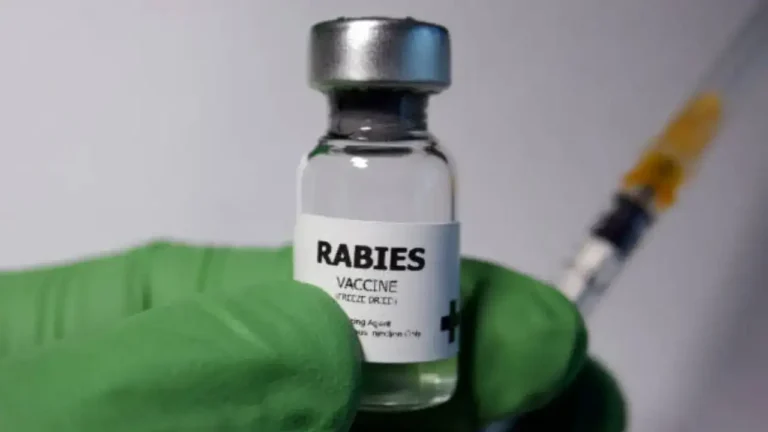
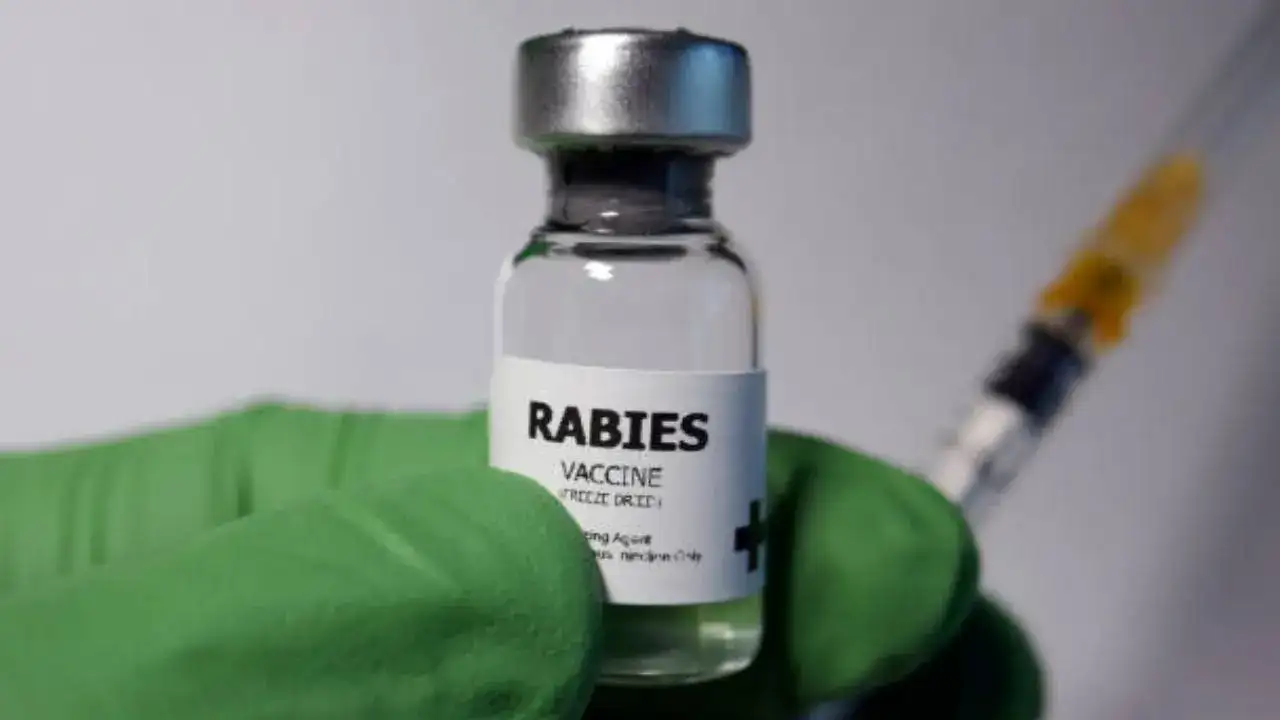
Rabies post-exposure treatment in Thailand follows the same international protocol used worldwide. It involves a series of injections given over several weeks. The number of doses depends on your vaccination history. If you have never had a rabies vaccine before, you will need both the vaccine and a rabies immunoglobulin injection at the start of treatment. If you have previously been vaccinated, fewer doses are required.
You should start treatment promptly. Rabies is almost always fatal once symptoms appear, but post-exposure treatment is highly effective when started early.
Warning Signs to Watch For
Even after treatment has begun, monitor the wound for signs of infection. These include increasing redness, swelling, warmth, pus, or red streaks spreading from the site. Fever and swollen lymph nodes are also signs that something is wrong. If any of these develop, return to a clinic without delay.
When to Go to a Hospital
Any bite that breaks the skin warrants a visit to a clinic or hospital, particularly in Thailand where stray animal contact is common. Go immediately if the wound is deep, the animal was behaving strangely, or you are unsure of the animal’s vaccination history. Night-time bites or bites on the face, hands, or neck should be treated urgently.
Phuket has well-equipped hospitals and international clinics that handle animal bite cases regularly. Staff are experienced, treatment is accessible, and acting quickly gives you the best possible outcome.
About the Author