
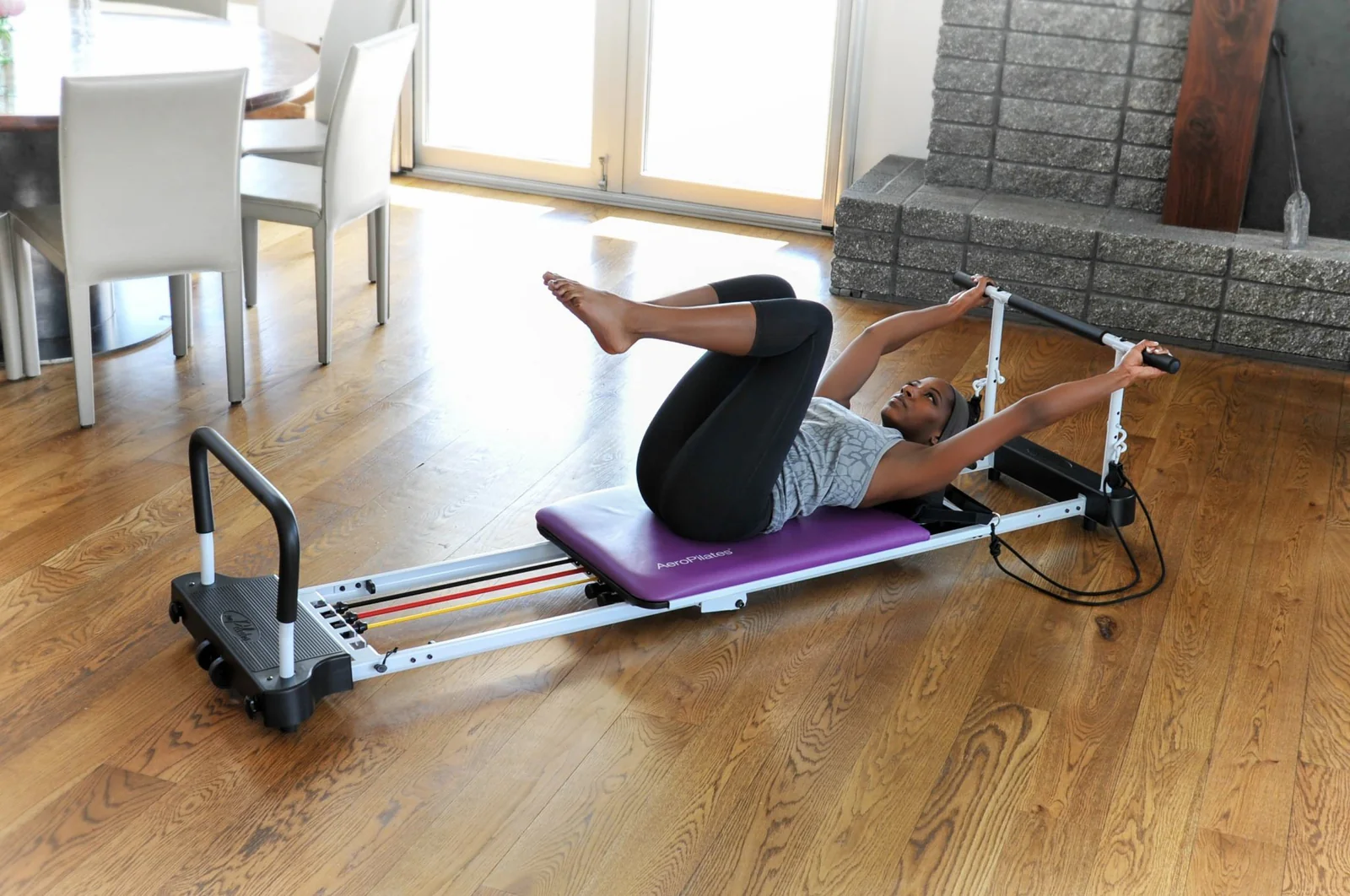
Recovering from an injury can be a frustrating journey, especially when mobility is limited and traditional exercises feel unsafe or ineffective. For those in Singapore seeking a smarter, more supportive path to rehabilitation, reformer pilates Singapore offers a scientifically backed and therapist-recommended solution.
Designed with precision, the reformer machine uses adjustable springs, a sliding carriage, and stabilising straps to help individuals regain strength, mobility, and balance—without overloading joints or aggravating injuries. Whether you’re healing from a sports-related incident, surgery, or long-term muscular imbalances, reformer Pilates can be the game-changer your recovery plan needs.
Why Reformer Pilates Is Ideal for Rehabilitation
Unlike high-impact exercises or rigid physiotherapy routines, reformer Pilates offers a dynamic, adaptive form of movement that suits all stages of recovery. The controlled resistance allows for safe muscle engagement, while the guided movement patterns ensure the body re-learns proper alignment.
Key benefits for rehabilitation include:
- Low-impact resistance that reduces joint stress
- Targeted muscle activation to address weaknesses
- Improved balance and coordination to reduce risk of re-injury
- Controlled environment that supports gradual progression
- Pain-free stretching that releases tension in injured areas
Common Injuries Supported by Reformer Pilates
In Singapore, common injuries like rotator cuff tears, knee surgeries, slipped discs, and plantar fasciitis are often linked to active lifestyles, long desk hours, or sports. Reformer Pilates has been used successfully to support healing for:
- Lower back pain and disc issues
- ACL and meniscus recovery
- Shoulder and rotator cuff injuries
- Post-natal core separation (diastasis recti)
- Neck stiffness from tech neck
- Chronic hip tightness and sciatica
These injuries not only affect physical ability but can also impact confidence and daily function. With reformer Pilates, clients can regain not just strength—but trust in their body again.
A Recovery Tool for Everyone in Singapore
What makes reformer pilates Singapore truly effective is its adaptability. The machine’s design allows individuals to start with minimal resistance and gradually progress at their own pace. Whether you’re an athlete returning to form, an elderly person recovering from a fall, or someone resuming fitness after surgery, the reformer is your safe space to rebuild.
Some groups that especially benefit include:
- Post-operative patients (after orthopaedic surgery or C-section)
- Seniors recovering balance and mobility
- New mothers rebuilding core strength post-partum
- Desk-bound professionals recovering from neck/back issues
- Amateur and professional athletes easing back into performance
Instructors trained in therapeutic Pilates often work closely with physiotherapists or GPs to customise movements for each person’s recovery journey.
What Makes the Reformer Different from Mat Pilates?
While both mat and reformer Pilates share the same foundational principles, the reformer adds a whole new dimension to rehabilitation. Here’s how they differ:
| Feature | Mat Pilates | Reformer Pilates |
| Equipment | Body weight only | Spring-loaded resistance machine |
| Support Level | Limited | High (for injuries or limited mobility) |
| Progression | Linear | Adjustable to all levels |
| Precision | Harder to control form | Machine provides guidance |
| Rehabilitation Suitability | Moderate | Excellent for targeted therapy |
The reformer offers unparalleled support for individuals who need careful, guided movement—something that’s harder to achieve on the mat alone.
Case Study: Injury Recovery with Reformer Pilates in Singapore
Marianne, a 41-year-old HR manager from Toa Payoh, struggled with persistent lower back pain following a herniated disc. After being referred to a reformer Pilates studio, she started attending classes twice a week.
“Initially, I was hesitant to move too much,” she recalls. “But the reformer let me exercise safely. After two months, I regained my strength, and my pain has almost disappeared.”
Similarly, Amir, a footballer from Yishun, used reformer Pilates post-ACL surgery. “The machine helped me build my knee strength without overstraining. I now use it for injury prevention too.”
These real-life experiences show the profound impact that this low-impact yet high-reward system can have on recovery outcomes.
The Role of Breathing and Mindfulness in Recovery
One often overlooked aspect of reformer Pilates is the emphasis on breath. Deep, diaphragmatic breathing is paired with each movement, promoting better oxygen flow, mental focus, and muscle activation.
This mindfulness component not only helps reduce stress (which can hinder recovery) but also improves neuromuscular connection—retraining the body and mind to move in harmony.
Where to Get Started in Singapore
Many studios across the island offer therapeutic reformer Pilates. However, choosing a well-equipped, experienced studio with instructors trained in rehabilitation is crucial for safety and effectiveness. Yoga Edition is one such studio that provides progressive sessions for different needs, including post-injury recovery and conditioning.
If you’re considering starting, ensure you:
- Get medical clearance if recovering from surgery
- Share your history with your instructor upfront
- Attend beginner classes first for supervised movements
- Track progress weekly through mobility and pain assessments
- Stay consistent with at least 2 sessions a week
Tips for Maximising Your Recovery with Reformer Pilates
To ensure sustained results and avoid setbacks, consider the following:
- Pair sessions with physiotherapy advice for a complete recovery plan
- Listen to your body and avoid pushing past discomfort
- Hydrate and rest between sessions for optimal muscle repair
- Celebrate small wins like improved balance or reduced pain
- Stay committed long-term—consistency is key to rehabilitation
Frequently Asked Questions (FAQ)
Q1: Can I do reformer Pilates after surgery?
Yes, but only with medical approval. Reformer Pilates is often part of post-surgical rehab programmes. Ensure your instructor knows the details of your surgery.
Q2: How soon after an injury can I start reformer Pilates?
It depends on the injury. For some conditions, you can begin within weeks. For others, you may need to wait until inflammation or acute symptoms subside.
Q3: Do I need physiotherapy along with reformer Pilates?
Reformer Pilates complements physiotherapy but doesn’t replace it. You can use both together, especially for structured recovery.
Q4: Is it painful to exercise on the reformer if I’m injured?
No. Movements are designed to be pain-free and supportive. You may feel muscle fatigue, but not joint pain or sharp discomfort.
Q5: How does reformer Pilates prevent future injuries?
It strengthens the small stabiliser muscles, improves flexibility, corrects posture, and builds better movement patterns—all of which reduce injury risks long-term.